A controversial editorial argues that mandatory reporting laws for child abuse, despite good intentions, may actually be harming the children they're designed to protect by creating unintended consequences in the system.


The AI safety community is misinterpreting incidents as failures when they're actually evidence that our detection and reporting systems are functioning properly, suggesting we should embrace these discoveries rather than fear them.
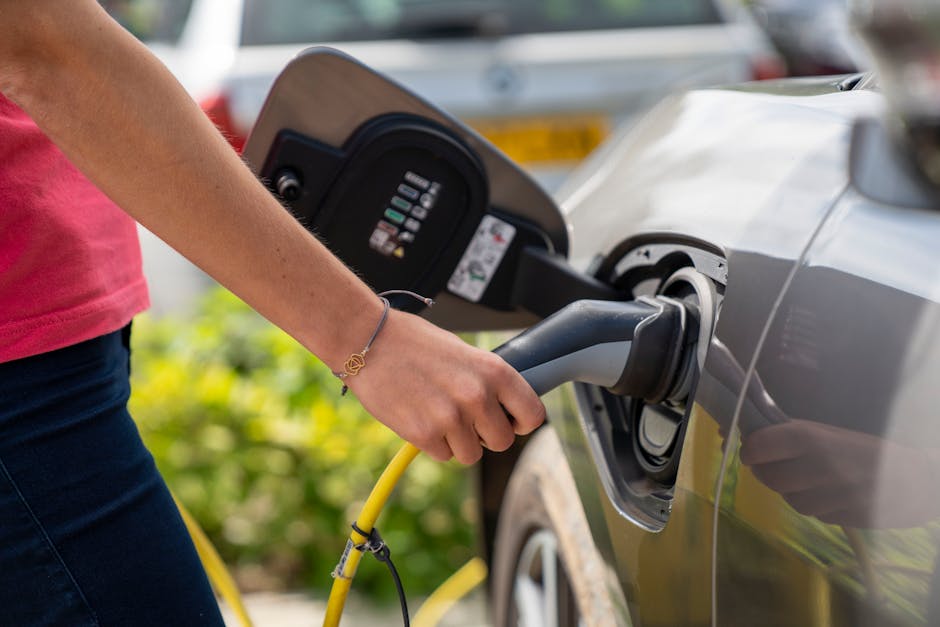
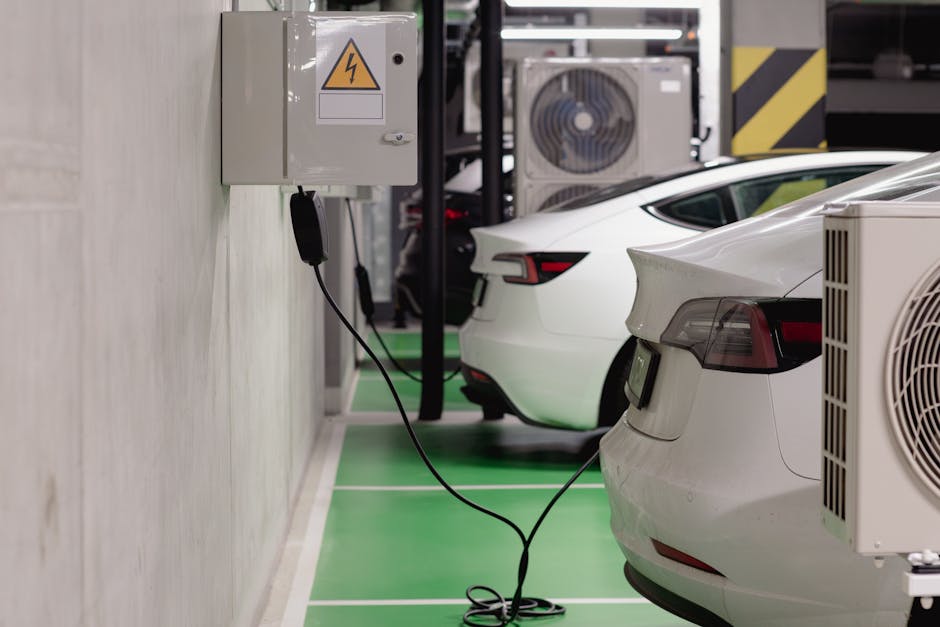
Tesla's Full Self-Driving technology still requires human supervision due to ongoing technical limitations, safety concerns, and regulatory requirements that prevent truly autonomous operation despite years of development and investment.
Oil prices still dominate the global economy because crude oil remains deeply embedded in transportation, manufacturing, and supply chains, making its price fluctuations ripple through every sector despite the growth of alternative energy sources.
Despite aviation being statistically the safest form of travel, millions still experience flight anxiety due to a complex interplay of psychology, media coverage, and evolutionary instincts that override objective safety data.
The UK's decision to cut foreign aid spending from 0.7% to 0.5% of national income during the pandemic has sparked intense political debate about Britain's role in international development and the fundamental purposes behind giving aid to other countries.
Streaming services are increasingly canceling beloved shows with passionate fanbases, leaving viewers frustrated as acclaimed series like "The OA" and "Warrior" meet premature ends despite strong viewership and critical praise.
World leaders often show grudging respect for Trump's unpredictable negotiating style and willingness to challenge international norms, even as their populations disapprove of him personally, creating a fascinating divide between diplomatic pragmatism and public sentiment.
Asylum seekers are detained while their cases are processed rather than allowed to wait freely in communities, creating a contentious practice that challenges both humanitarian principles and practical governance across developed nations.
The Middle East's strategic location, vast oil reserves, and complex web of international alliances ensure that even local conflicts quickly escalate into global crises that force superpowers to choose sides and threaten worldwide economic stability.
Trump's unconventional foreign policy approach challenged decades of diplomatic norms through unpredictable tactics and withdrawal from international agreements, sparking intense debate about whether breaking traditional rules could still achieve strategic objectives.
Iran's vast oil and gas reserves, strategic location controlling critical shipping routes, and ability to disrupt global energy infrastructure give it outsized influence over worldwide energy prices despite decades of international sanctions.
The companies building AI are most concerned about its risks because they have intimate technical knowledge of the technology's unpredictable capabilities and potential for rapid, uncontrolled advancement. Their deep understanding of AI's current limitations and future possibilities makes them uniqu
Trump's consistent pattern of praising authoritarian leaders while criticizing democratic allies has puzzled foreign policy experts and raised concerns about his underlying motivations and approach to international relations.
Despite sharing no border or ancient historical grievances, Iran and Israel's intense rivalry has become one of the most consequential geopolitical conflicts of the modern era, shaping Middle Eastern politics and influencing regional conflicts from Lebanon to Yemen.
K-pop fandoms have evolved into a global force capable of mobilizing millions of devoted fans, creating unprecedented security challenges from airport stampedes to website crashes during major events like BTS concerts.