Why are we letting children compete in powerlifting?
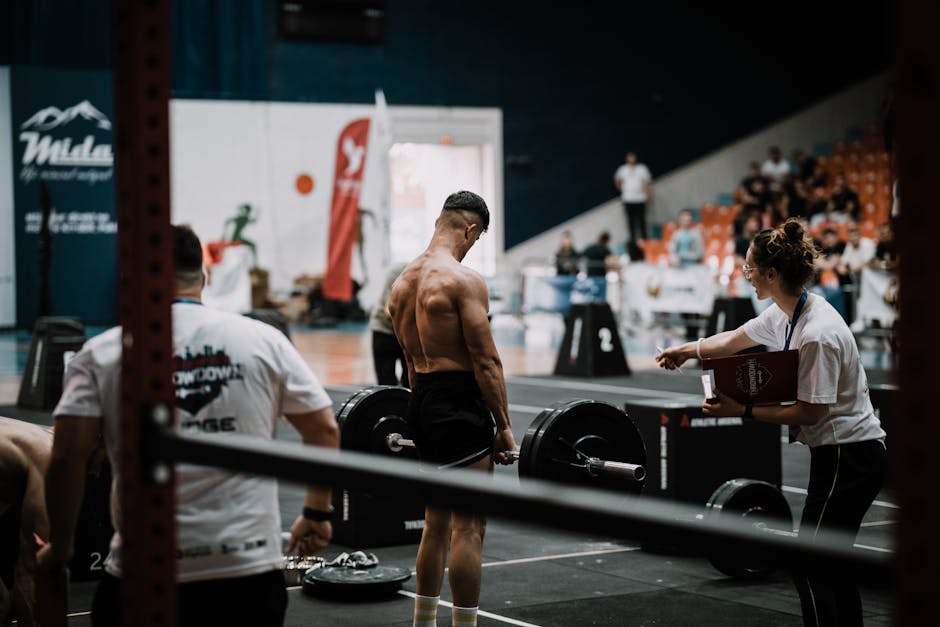
The viral video of 9-year-old Rory van Ulft deadlifting 215 pounds—nearly three times her body weight—has reignited a fierce debate about children in competitive powerlifting. While some celebrate her remarkable strength and dedication, others question whether we're subjecting developing bodies and minds to unnecessary risks. This controversy forces us to examine fundamental questions about what we consider appropriate for young athletes.
The phenomenon isn't isolated to one exceptional child. Youth powerlifting has grown significantly over the past decade, with children as young as 8 now competing in sanctioned events, lifting weights that would challenge many adults. Are we nurturing athletic talent or potentially harming developing bodies? Where should society draw the line between supporting young athletes and protecting children from adult-imposed pressures?
The Physical Development Concerns
The primary argument against youth powerlifting centers on the vulnerability of developing musculoskeletal systems. Growth plates—areas of developing cartilage tissue near the ends of long bones—remain open until adolescence, typically closing between ages 14-18 in girls and 16-20 in boys.
These growth plates are particularly susceptible to injury from repetitive stress and maximal loading. Sports medicine physicians have documented cases of growth plate injuries in young weightlifters, though comprehensive data on injury rates remains limited. The spinal column presents additional concerns, as children's vertebrae and intervertebral discs contain higher water content and more flexible cartilage than adult spines, making them more susceptible to compression injuries.
However, the research isn't uniformly negative. The American Academy of Pediatrics acknowledges that properly supervised strength training can benefit children when appropriate loads and techniques are used. Proponents argue that when conducted with proper supervision and age-appropriate programming, the benefits can outweigh the risks.
Psychological and Social Implications
Beyond physical concerns, child psychologists have raised significant questions about the psychological impact of competitive powerlifting on young minds. The intense focus on maximal performance can create unhealthy psychological patterns in developing children.
The case of Jessica Buettner illustrates both sides of this debate. Starting powerlifting at age 13, Buettner set multiple junior world records and became one of Canada's most successful powerlifters. However, she has also spoken publicly about struggling with body dysmorphia and perfectionism that she traces back to her early competitive years.
Sports psychologists identify several concerning patterns in youth powerlifting culture. Competitive youth powerlifters may exhibit higher rates of exercise dependence compared to youth athletes in team sports. Many young powerlifters report feeling extreme anxiety when unable to train, and some describe their self-worth as heavily dependent on lifting performance.
The social dynamics within powerlifting communities can also create problematic pressures. Young powerlifters often receive adult-level attention and praise that can create identity fusion with their athletic performance. Children as young as 10 have been observed using phrases like "I'm a powerlifter" rather than "I do powerlifting."
The Regulatory Landscape
The governance of youth powerlifting varies dramatically across organizations and countries, creating a patchwork of contradictory standards. USA Powerlifting allows competition starting at age 8 in their youth division, with specific weight class restrictions and modified rules. Competitors aged 8-12 must use a deadlift bar height of 8 inches (compared to 9 inches for adults) and are limited to three attempts per lift.
The International Powerlifting Federation takes a more conservative approach, setting the minimum competition age at 14 for international events, though member federations can set lower ages for domestic competition. Some countries have implemented stricter regulations. The German Powerlifting Federation requires medical clearance for all competitors under 16 and mandates that youth athletes train with certified coaches who have completed specialized pediatric strength training certification.
Enforcement of these regulations remains inconsistent. Investigative reports have found numerous instances of youth powerlifters competing in unsanctioned events with minimal safety oversight, including cases where children lifted without proper spotting or medical personnel present.
Training Methodologies and Safety Protocols
The approach to training young powerlifters has evolved significantly as the sport has grown. Exercise science experts have developed specific protocols for youth strength training that emphasize technique mastery over maximal loads.
Some experts argue that young athletes should demonstrate perfect technique with bodyweight movements before progressing to external loads. For children under 12, certain protocols limit training loads to no more than 70% of one-repetition maximum and emphasize higher repetitions (8-12 reps) rather than the typical powerlifting focus on 1-3 repetitions.
The most comprehensive safety protocols come from organizations like the National Strength and Conditioning Association. These protocols require specific coach-to-athlete ratios for children under 12, mandate specific warm-up and cool-down procedures, and establish clear criteria for exercise progression. Facilities following structured protocols report significantly reduced training-related injuries among youth athletes.
Parental Motivations and Pressures
Understanding why parents allow or encourage their children to compete in powerlifting requires examining complex motivations that often extend beyond the sport itself. Researchers who study parental involvement in youth athletics have identified several primary motivations among powerlifting families.
The most commonly cited motivation is "character development," with parents believing that powerlifting teaches discipline, goal-setting, and perseverance. Physical fitness concerns, particularly among parents worried about childhood obesity or sedentary lifestyles, also drive participation. However, some concerning patterns have been observed, including parents hoping their child will earn college scholarships through powerlifting, despite the fact that powerlifting is not an NCAA sport and offers extremely limited scholarship opportunities.
The case of Rory van Ulft illustrates these complex dynamics. Her father, a former rugby player, began training with weights to recover from a back injury and introduced Rory to the gym at age 7. In interviews, he emphasizes her natural interest and talent. However, critics note that the family's social media presence around Rory's lifting has generated significant attention and potential financial opportunities through sponsorships and appearances.
Family therapists who work with sports families warn about the potential for "achievement by proxy syndrome," where parents derive self-worth from their child's athletic success. Some families involved in youth powerlifting show signs of this syndrome, including parents who schedule their own lives around their child's training or express their mood being directly tied to their child's performance.
Economic and Commercial Considerations
The growth of youth powerlifting has created a significant commercial ecosystem that may influence decision-making around child participation. This includes specialized equipment, coaching services, competition fees, travel expenses, and nutritional supplements marketed specifically to young athletes.
Several companies have developed product lines specifically targeting young powerlifters. The coaching industry has also expanded dramatically, with organizations reporting significant increases in youth-certified coaches. Top youth powerlifting coaches can command premium rates for private sessions, creating significant financial incentives to work with young athletes.
This commercial growth has created potential conflicts of interest. Investigative reports have found that some prominent youth powerlifting coaches have financial relationships with equipment manufacturers, supplement companies, or competition organizations that could influence their training recommendations.
International Perspectives and Cultural Differences
The acceptance of youth powerlifting varies significantly across cultures, reflecting different attitudes toward childhood, athletic development, and risk tolerance. In Eastern European countries with strong weightlifting traditions—Bulgaria, Romania, and Russia—early specialization in strength sports is more culturally accepted.
However, these systems traditionally focused on Olympic weightlifting rather than powerlifting, emphasizing explosive movements and technical skill over maximal strength. Some coaches from these traditions argue that this distinction is crucial, noting that Olympic lifts develop power and coordination while powerlifting develops primarily limit strength.
In contrast, Scandinavian countries have taken more conservative approaches. Norway's powerlifting federation prohibits competition for athletes under 16, and Sweden requires extensive medical screening and parental education before allowing youth participation. This reflects a philosophy that childhood should be about movement exploration and fun, not maximal performance.
Japan presents an interesting middle ground. The Japan Powerlifting Association allows youth competition starting at age 12 but requires all young athletes to participate in comprehensive education programs covering nutrition, injury prevention, and psychological wellness. Additionally, Japanese youth powerlifters must demonstrate proficiency in at least two other sports before specializing in powerlifting.
Medical and Scientific Evidence
The medical literature on youth powerlifting remains limited but growing. While research suggests that youth powerlifters may have moderate injury rates compared to other sports, the severity and nature of powerlifting injuries often differ significantly. Powerlifting injuries are more likely to require medical intervention and have longer recovery times compared to injuries in other youth sports.
Many injuries in youth powerlifters are related to training errors—too much weight, too quickly, with insufficient recovery—rather than competition itself. This suggests that many injuries could be prevented through better training protocols and supervision.
Research on bone development has found that young strength athletes may develop higher bone mineral density in the spine and hips, potentially providing long-term benefits for bone health. However, studies have also identified concerning patterns of muscle imbalances in young powerlifters.
The psychological research presents mixed findings. Some studies suggest that participants in strength sports show higher levels of self-efficacy and goal-setting skills compared to controls. However, they may also show elevated rates of perfectionism, body dissatisfaction, and exercise dependence.
Alternative Approaches and Recommendations
Several organizations and experts have proposed alternative approaches to youth strength training that might capture the benefits of powerlifting while minimizing risks. The Long-Term Athlete Development model suggests that young athletes should focus on fundamental movement skills before specializing.
Under this model, children aged 6-9 should focus on basic movement patterns, coordination, and enjoyment of physical activity. Ages 9-12 should emphasize developing a wide range of motor skills across multiple sports. Only after age 12 should athletes begin more specialized strength training.
Some experts have developed youth physical development models specifically for strength training that emphasize bodyweight movements, unilateral exercises, and multi-planar movement patterns before introducing bilateral, loaded movements like powerlifting exercises. Proponents argue that athletes following developmental models have fewer injuries and show greater long-term strength gains compared to those who specialize early.
Movement screening tools have been adapted for youth athletes to identify movement dysfunctions before they lead to injury. Some powerlifting organizations now require youth athletes to pass movement assessments before beginning training, with corrective exercises prescribed for any identified limitations.
Some facilities have implemented "hybrid" approaches that incorporate powerlifting movements within broader athletic development programs. These approaches use powerlifting exercises as tools within comprehensive programs that also include speed, agility, coordination, and sport-specific skills.
While critics focus on injury risks, youth powerlifting's injury patterns may actually compare favorably to other popular youth sports—football sees high concussion rates annually, while gymnastics reports significant injury rates at competitive levels. The question isn't whether powerlifting is risky, but whether its risks are acceptable relative to documented benefits like improved bone density, mental health, and self-confidence that strength training provides to young people.
The psychological traits that researchers label as concerning—perfectionism, intense goal-setting, and dedication—are the same characteristics that drive success in academics, music, and other competitive pursuits that society celebrates. Rather than pathologizing these traits in powerlifting, we might ask whether the sport is simply attracting naturally driven young people, and whether channeling that drive through strength training is actually healthier than alternatives like restrictive dieting or academic burnout.
Key Takeaways
- Youth powerlifting carries documented physical risks including growth plate injuries, spinal problems, and muscle imbalances, though comprehensive injury data remains limited
- Psychological concerns include increased rates of perfectionism, exercise dependence, and identity fusion with athletic performance in young powerlifters
- Regulatory standards vary dramatically across organizations and countries, creating inconsistent safety protections for young athletes
- Parental motivations are complex and sometimes include concerning patterns like achievement by proxy syndrome and unrealistic scholarship expectations
- The commercial growth of youth powerlifting has created potential conflicts of interest that may influence training recommendations
- Cultural attitudes toward youth powerlifting vary significantly internationally, reflecting different philosophies about childhood and athletic development
- Alternative approaches like the Long-Term Athlete Development model may capture benefits while minimizing risks through delayed specialization and broader skill development
- Limited but growing research suggests that properly supervised strength training can benefit young athletes, but requires careful attention to training loads, technique, and psychological development