Why Do Smartwatches Sometimes Detect Heart Attacks Before the Wearer Feels Them?
Your smartwatch buzzes at 2:47 AM. You're fast asleep, feeling perfectly fine, but the device on your wrist is alerting you that something may be wrong with your heart. You dismiss it as a glitch—until hours later, you decide to seek medical attention. The doctors confirm what seemed unlikely: you were indeed having a heart attack, one so subtle that you felt nothing at all. Your watch detected cardiac distress before your conscious mind had any clue your body was in trouble.
This scenario reflects a real phenomenon: as consumer wearables have become more sophisticated, they can detect physiological changes that may precede conscious symptoms. The question is intriguing: how can a $300 device strapped to your wrist detect changes in your body that you cannot feel?
The Sensors on Your Wrist
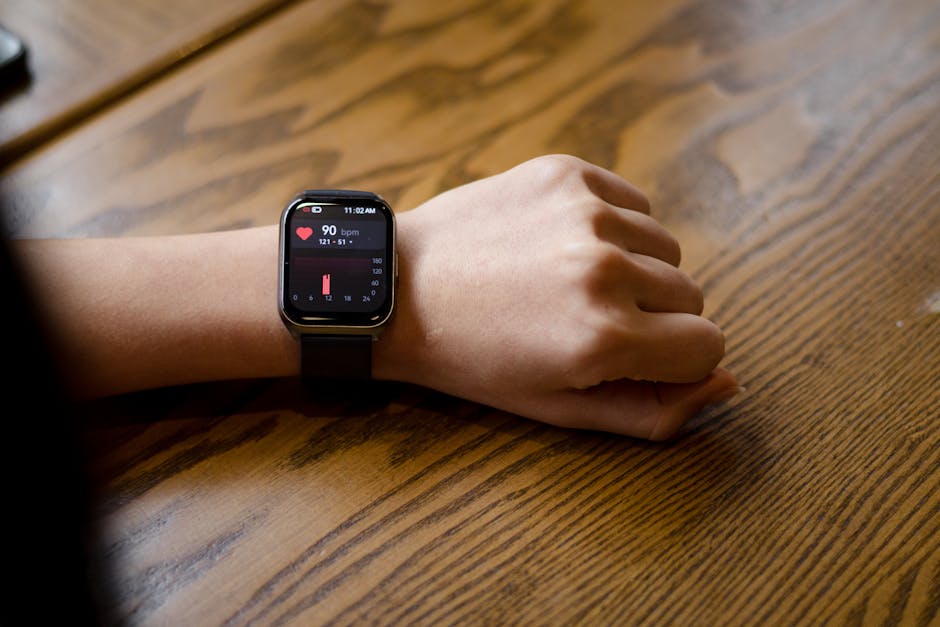
Modern smartwatches have evolved far beyond simple step counters. The Apple Watch Series 9, Samsung Galaxy Watch6, and similar devices now include sensors that measure heart rate, heart rate variability, blood oxygen saturation, skin temperature, and movement patterns. These include photoplethysmography sensors that detect blood volume changes and electrical sensors for electrocardiogram readings.
Machine learning algorithms trained on large datasets of cardiac events can identify patterns in this data that may precede conscious symptoms. The algorithms monitor multiple physiological parameters simultaneously, detecting variations in heartbeat timing measured in milliseconds—changes imperceptible to human consciousness but potentially significant to trained models.
Silent Heart Attacks and Early Detection
Some heart attacks occur without obvious symptoms. The concept of "silent myocardial infarctions" has been recognized in medical literature for decades. Proponents of wearable cardiac monitoring argue that smartwatches could potentially detect some of these events earlier than traditional symptom-based detection.
The physiological explanation involves the heart's electrical system beginning to malfunction before the mechanical pumping action becomes compromised enough to cause pain or discomfort. Smartwatches can detect electrical abnormalities through changes in the timing between heartbeats—variations that are imperceptible to human consciousness but potentially detectable by algorithms designed to spot them.
When Your Watch Becomes a Health Monitor
Smartwatch cardiac monitoring is reshaping how people think about health. Traditional medicine relies on patients reporting symptoms, but smartwatches are creating a new category of situations where devices alert users to potential health issues before they feel unwell.
The Apple Watch's ECG feature, approved by the FDA in 2018, has been validated for detecting atrial fibrillation—an irregular heartbeat that increases stroke risk. This represents one of the clearer applications of wearable technology in cardiac monitoring.
Newer algorithms attempt to go beyond simple rhythm detection by analyzing heart rate variability patterns and correlating them with activity levels and sleep data. However, the clinical validity of these more sophisticated predictive capabilities remains an area of ongoing research and debate.
The Limitations of Human Perception
One perspective on this technology holds that it reveals the limitations of conscious self-awareness. Human consciousness is relatively poor at detecting gradual changes in internal states. We evolved to notice sudden, obvious threats rather than slowly accumulating physiological changes. Our subjective experience of "feeling fine" can persist even as our cardiovascular system undergoes changes.
Smartwatch algorithms, by contrast, establish baseline patterns for each individual user over months or years of continuous monitoring. They track your typical heart rate variability at different times, your response to physical activity, and the precise timing of your cardiac cycles during different sleep stages. When these patterns deviate, the algorithms flag the change.
The False Alarm Challenge
A significant challenge with smartwatch cardiac alerts is distinguishing true signals from false alarms. For every legitimate early detection, there may be false alerts that send users to emergency rooms unnecessarily. The challenge lies in calibrating sensitivity: too low, and real cardiac events go undetected; too high, and the healthcare system becomes overwhelmed with worried people whose watches are generating alerts.
The psychological impact of repeated false cardiac alerts could be significant, potentially creating anxiety in users who receive frequent notifications about their heart health.
The Uncanny Valley of Self-Knowledge
Smartwatch cardiac detection challenges fundamental assumptions about consciousness and bodily autonomy. We generally assume we know our own bodies and are the ultimate authority on our internal states. The idea that a computer algorithm can detect something crucial about our health before we do unsettles this assumption.
This phenomenon extends beyond cardiac events. Smartwatches are beginning to monitor for signs of infections, sleep disorders, and other health conditions. Some research has explored whether wearable sensors can detect early signs of illness before users experience symptoms, though the clinical significance of such early detection remains an active area of investigation.
The Regulatory Landscape
The FDA has approved specific smartwatch features like ECG monitoring and irregular rhythm detection. However, the more sophisticated predictive algorithms exist in a less clearly defined regulatory space. Companies like Apple and Samsung market many of these features as "wellness tools" rather than medical devices, even though users may rely on them for health decisions.
This regulatory ambiguity creates practical challenges. Emergency room doctors report seeing patients who arrive with smartwatch data and request treatment based on algorithmic predictions. The medical standing of such predictions remains uncertain in many cases.
What This Means for Health Monitoring
The ability of smartwatches to monitor cardiac function reveals a gap between conscious perception and physiological reality. Our subjective experience of health is a limited window into our actual physiological state.
This technology is also making advanced cardiac monitoring more accessible. A person in a rural area now has access to cardiac monitoring capabilities that were previously available only to patients in intensive care units. The implications for expanding health monitoring access are significant, even as the technology raises questions about privacy, autonomy, and the medicalization of daily life.
Smartwatches are demonstrating that our bodies constantly generate information—in heart rate patterns, temperature changes, movement data, and sleep cycles—that was previously difficult to access or interpret. The question of how to meaningfully use this information remains open.
While smartwatch manufacturers market predictive cardiac algorithms as breakthrough technology, the lack of FDA approval for heart attack prediction—despite decades of development—may suggest these tools are far less reliable than anecdotal success stories imply. If algorithms could genuinely detect coronary blockages before symptoms with clinical validity, the regulatory and liability incentives would likely push companies toward formal validation rather than positioning devices as "wellness tools" in a gray regulatory zone.
The conflation of "silent heart attacks" (a known phenomenon since the 1970s) with smartwatch detection capabilities may be misleading consumers about what's actually new here. Rather than revealing hidden cardiac events, smartwatches may simply be generating more alerts—true and false—that create a false sense of medical surveillance without improving outcomes for the broader population, while disproportionately burdening emergency departments with worried but ultimately healthy users.

Key Points
- Modern smartwatches monitor heart rate, heart rate variability, and other cardiac parameters using algorithms trained on large datasets of cardiac events.
- Silent heart attacks are a recognized phenomenon, and some analysts argue wearable devices could potentially detect some of these events earlier than traditional symptom-based detection.
- The technology reveals the limitations of human consciousness in detecting gradual internal physiological changes.
- False alerts from smartwatch cardiac monitoring are a recognized concern that could create unnecessary anxiety and emergency room visits.
- Regulatory frameworks treat many smartwatch predictive features as "wellness tools" rather than approved medical devices, creating ambiguity about their clinical standing.
- This technology is making cardiac monitoring more accessible while raising questions about privacy, autonomy, and the medicalization of daily life.