Why Are Thousands of People Voluntarily Getting Parasitic Worms to 'Rewild' Their Immune Systems?
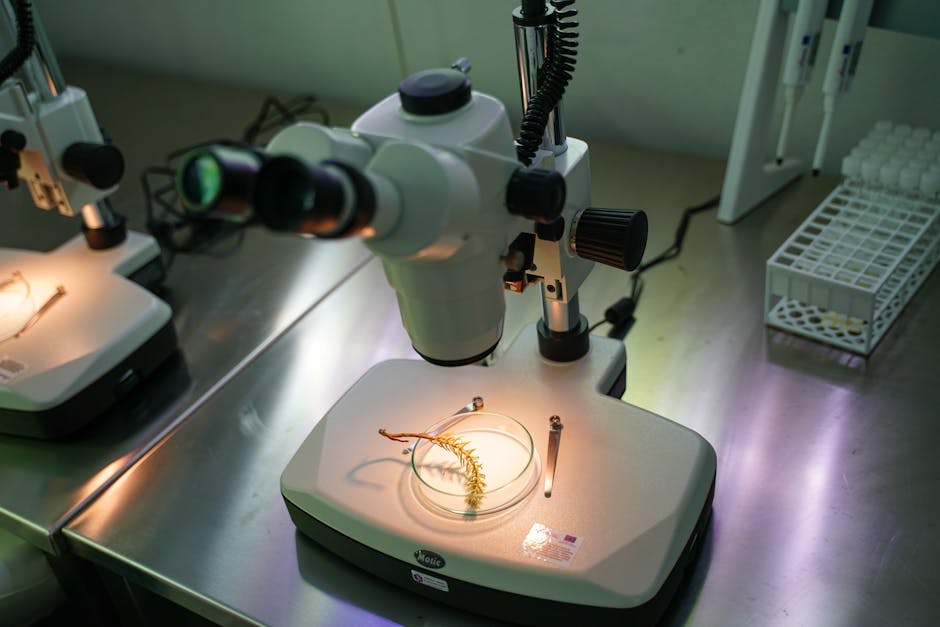
In a sterile laboratory in Tijuana, Mexico, a perfectly healthy 35-year-old software engineer from San Francisco rolls up his sleeve and allows a researcher to place 25 microscopic hookworm larvae directly onto his skin. Within minutes, the parasites burrow through his flesh and begin their journey to his intestines, where they will live, feed on his blood, and reproduce for the next 3-5 years. This isn't science fiction—it's one of the most counterintuitive health movements of the 21st century, where thousands of people across the developed world are deliberately infecting themselves with parasitic worms in what they call "helminthic therapy."
Welcome to a movement where people are literally putting worms in their bodies to cure everything from allergies to autoimmune diseases. And the truly mind-bending part? Some of them claim it actually works.
The Hygiene Hypothesis Goes Full Circle
The story begins with British epidemiologist David Strachan, who in 1989 noticed something peculiar in his data on hay fever rates among British children. The more older siblings a child had, the less likely they were to develop allergies.[1] Strachan proposed what became known as the "hygiene hypothesis"—that our increasingly sterile environments were somehow making our immune systems go haywire.
American immunologist Joel Weinstock took this idea to its logical extreme. In the late 1990s, while studying inflammatory bowel diseases, Weinstock stumbled upon a remarkable correlation: countries with high rates of parasitic worm infections had virtually no autoimmune diseases, while developed nations with excellent sanitation had skyrocketing rates of allergies, asthma, and inflammatory bowel disease.[2]
Weinstock's hypothesis was radical: for millions of years, humans co-evolved with parasitic worms. Our immune systems developed expecting these "old friends" to be present. Without them, our immune systems become like bored teenagers—looking for trouble where none exists, attacking harmless pollen, food proteins, or even our own tissues.
In 2005, Weinstock published a small clinical trial that sent shockwaves through the medical community. He gave 29 patients with inflammatory bowel disease a cocktail containing 2,500 microscopic pig whipworm eggs. After 24 weeks, 79% of Crohn's disease patients and 77% of ulcerative colitis patients showed significant improvement.[3] The worms didn't establish permanent infections in humans—they died off after a few months—but somehow their presence had "reset" the patients' overactive immune systems.
The Underground Worm Economy
While mainstream medicine cautiously pursued clinical trials, desperate patients weren't waiting. By 2007, an underground economy of "helminthic therapy" providers had emerged, operating in legal gray areas across Mexico, Thailand, and other countries with flexible medical regulations.
Jasper Lawrence, a British man suffering from severe asthma and allergies, became one of the movement's most prominent evangelists after traveling to Cameroon in 2006 to deliberately infect himself with hookworms by walking barefoot through latrines. His symptoms reportedly vanished within months. Lawrence founded Autoimmune Therapies, one of the first commercial helminthic therapy providers, operating out of Tijuana.
Today, commercial providers offer various parasitic infections, with patients traveling from across North America and Europe for these treatments. Proponents estimate that thousands of people worldwide have deliberately infected themselves with parasitic worms for therapeutic purposes. Online forums like "Helminthic Therapy Support" have thousands of members sharing detailed accounts of their infections, symptoms, and outcomes.
The Worm Whisperers
The community that has emerged around helminthic therapy is unlike anything in modern medicine. Patients become amateur parasitologists, tracking their worm loads through stool samples, adjusting their diets to optimize their parasites' health, and even naming their worms. Some refer to their hookworms as "little helpers" and credit them with significant health improvements.
The level of biological intimacy is unprecedented. Patients learn to recognize the subtle signs of their worms' life cycles—the mild anemia that indicates successful hookworm establishment, the brief digestive upset that signals whipworm egg hatching, the itchy skin that means their parasites are migrating. They adjust their iron intake to avoid starving their hookworms, avoid anti-parasitic foods like raw garlic, and some even delay antibiotic treatments to protect their "therapeutic ecosystem."
Perhaps most bizarrely, many patients report developing an emotional attachment to their parasites. Online forums feature posts like "My worms seem sluggish—should I be worried?" and "Celebrating my 2-year worm anniversary!" This psychological shift from viewing parasites as invaders to partners represents a fundamental reimagining of the relationship between humans and microorganisms.
The Science Gets Complicated
While early results seemed promising, the scientific picture has become increasingly complex. Large-scale clinical trials have produced mixed results that have dampened initial enthusiasm. A 2016 randomized controlled trial of hookworm therapy for celiac disease found no significant benefit compared to placebo.[4] A 2017 study of whipworm therapy for multiple sclerosis was terminated early due to lack of efficacy.[5]
The relationship between worms and immune function is far more nuanced than early proponents suggested. Different worm species have evolved completely different strategies for manipulating host immunity—a hookworm that needs to suppress inflammation to survive in the gut may have very different effects than a tissue-dwelling parasite.
Moreover, the safety profile remains concerning. Hookworms can cause severe anemia, particularly in women of childbearing age. Whipworms occasionally cause appendicitis-like symptoms. And there's the ever-present risk of hyperinfection—when the carefully controlled parasite population explodes out of control.
The Microbiome Connection
Recent research has revealed that worms may not work alone—they bring their own microscopic ecosystems. Studies have shown that mice infected with helminths demonstrated dramatic changes in their gut bacteria, with certain beneficial species flourishing in the presence of worms.[6] This suggests that "helminthic therapy" might actually be "ecosystem therapy"—introducing not just worms but entire communities of microorganisms that co-evolved with human immunity.
This discovery has led some researchers to wonder whether we're approaching the problem backwards. Instead of adding worms to sterile Western guts, perhaps we should be identifying and cultivating the specific bacterial species that worms promote. Companies like Coronado Biosciences (now Fortress Biotech) have invested millions in developing "helminth-derived therapeutics"—drugs that mimic worm effects without requiring actual parasites.
The Regulatory Nightmare
The legal status of helminthic therapy exists in bizarre regulatory limbo. In the United States, deliberately infecting someone with parasites violates numerous FDA regulations, but traveling abroad for such treatment remains legal. The result is a two-tiered system where wealthy patients can access experimental worm therapy in Mexican clinics while others attempt dangerous self-infection using online guides and black market parasites.
The FDA has approved exactly zero helminthic therapies, despite decades of research. The agency's position is that any therapeutic use of live parasites must undergo the full clinical trial process—a stance that has effectively pushed the entire field underground. Meanwhile, European regulators have been slightly more accommodating, with several small clinical trials ongoing in the Netherlands and Germany.
This regulatory hostility has created what some observers call "therapeutic refugees"—patients who exhaust conventional treatments and turn to illegal or semi-legal alternatives. The irony is palpable: in an era when we're discovering the importance of microbial diversity for health, regulations designed to protect us from infectious diseases may be preventing access to potentially beneficial organisms.
The Barefoot Connection
The helminthic therapy movement has unexpected connections to other "rewilding" health trends, particularly the barefoot hiking and primal movement communities. Many worm therapy patients also practice "earthing" (walking barefoot to absorb the earth's electrons), follow paleo diets, and embrace what they call "ancestral health practices."
This convergence isn't coincidental. Both movements stem from fundamental dissatisfaction with modern life's sterility and a belief that human health requires connection to natural systems we've abandoned. The same person who pays thousands for therapeutic hookworms might also sleep on the ground, eat fermented foods, and practice "forest bathing."
Some view helminthic therapy as "the ultimate biohacking"—a willingness to literally reprogram one's internal ecosystem in pursuit of optimal health. It's a form of embodied environmentalism, where the human body becomes a site for rewilding practices.
What This Tells Us About Modern Medicine
Perhaps the most unsettling aspect of the helminthic therapy phenomenon is what it reveals about the limitations of contemporary medicine. Thousands of people are willing to infect themselves with parasites because conventional treatments have failed them. The fact that some report dramatic improvements—whether due to worms, placebo effects, or other factors—highlights gaps in our understanding of immune system disorders.
The movement also illustrates the tension between evidence-based medicine and patient autonomy. While large clinical trials have failed to prove worm therapy's efficacy, individual patient experiences suggest the story may be more complex. The challenge is distinguishing genuine biological effects from the powerful placebo responses that often accompany radical interventions.
The real lesson may be about the importance of microbial diversity. Whether it's worms, bacteria, or other microorganisms, we're learning that health requires a complex ecosystem. The question isn't whether we should have parasites, but how to recreate the immunological education that co-evolution provided.
Critics argue that the apparent success stories from helminthic therapy may reflect a dangerous combination of selection bias and the placebo effect rather than genuine medical breakthroughs. Patients who experience severe complications—including potentially fatal hyperinfections—are unlikely to evangelize online, while autoimmune diseases naturally fluctuate, making it nearly impossible to distinguish between parasitic intervention and normal disease cycles without rigorous controlled trials.
Physicians working in parasite-endemic regions express bewilderment at Westerners paying thousands of dollars for infections that devastate their patients daily. They point out that the "hygiene hypothesis" may be a privileged Western interpretation of data, ignoring that these same parasites contribute to anemia, malnutrition, and developmental delays in millions of children worldwide—hardly the "co-evolved partnership" that therapy advocates describe.
Key Takeaways
- Thousands of people worldwide are deliberately infecting themselves with parasitic worms to treat autoimmune diseases and allergies
- The practice stems from the "hygiene hypothesis"—the idea that overly sterile environments cause immune system dysfunction
- Early clinical trials showed promise, but larger studies have produced mixed results
- An underground economy of worm therapy providers operates in Mexico and other countries with flexible regulations
- The movement reveals tensions between patient desperation, regulatory caution, and the limits of conventional medicine
- Recent research suggests worms may work by promoting beneficial gut bacteria rather than through direct immune effects
- The phenomenon connects to broader "rewilding" health trends and represents a form of embodied environmentalism
References
- Strachan, David P. "Hay fever, hygiene, and household size." BMJ, 1989.
- Weinstock, Joel V. "Helminths and the IBD hygiene hypothesis." Inflammatory Bowel Diseases, 2004.
- Summers, Robert W. "Trichuris suis therapy in Crohn's disease." Gut, 2005.
- Croese, John. "A proof of concept study establishing Necator americanus in Crohn's patients and reservoir donors." Gut, 2006.
- Fleming, John O. "Probiotic helminth administration in relapsing-remitting multiple sclerosis." Multiple Sclerosis Journal, 2017.
- Cadwell, Ken. "Virus-plus-susceptibility gene interaction determines Crohn's disease gene Atg16L1 phenotypes in intestine." Cell, 2010.