The 15 Most Groundbreaking Medical Imaging Technologies of All Time, Ranked
#15: Optical Coherence Tomography (OCT)
Optical Coherence Tomography, developed in the early 1990s by researchers at MIT including James Fujimoto, represents a quantum leap in high-resolution imaging[1]. OCT uses near-infrared light to capture cross-sectional images approaching cellular detail without requiring tissue removal. The technology's breakthrough lies in real-time, in-vivo imaging at cellular resolution. In ophthalmology, OCT became the gold standard for diagnosing and monitoring retinal diseases, enabling detection of macular degeneration and diabetic retinopathy at their earliest stages[2]. The technology has also found applications in cardiology for imaging coronary artery plaques and in dermatology for skin cancer detection. OCT ranks at #15 because while revolutionary within specific specialties, its impact remains relatively narrow compared to broader imaging modalities. However, emerging applications in neurosurgery and gastroenterology suggest its influence may expand significantly.#14: Digital Subtraction Angiography (DSA)
Digital Subtraction Angiography, perfected in the late 1970s by Charles Mistretta at the University of Wisconsin, transformed vascular imaging by eliminating background structures to highlight blood vessels with unprecedented clarity[3]. The technique involves taking images before and after contrast injection, then digitally subtracting the first from the second to isolate vascular structures. DSA's revolutionary impact centers on visualizing blood flow in real-time with exceptional detail while using significantly less contrast material than conventional angiography. This advancement enabled the development of minimally invasive endovascular procedures, including angioplasty, stent placement, and embolization techniques that have saved millions of lives. The technology ranks #14 for its transformative effect on interventional radiology and vascular surgery, enabling the shift from open surgical procedures to catheter-based interventions. DSA fundamentally changed how strokes, aneurysms, and arterial blockages are treated.#13: Thermography
Medical thermography, utilizing infrared cameras to detect heat patterns in the human body, emerged in the 1960s as a non-invasive diagnostic tool. The technology measures infrared radiation emitted by the body, creating thermal maps that reveal inflammation, circulation problems, and metabolic abnormalities[4]. Thermography's significance lies in detecting physiological changes before structural abnormalities become visible on conventional imaging. The technology has found applications in monitoring inflammatory conditions like arthritis, though major medical organizations do not recommend thermography for breast cancer screening due to insufficient evidence of effectiveness. Despite early promise, thermography ranks #13 because it never achieved widespread clinical adoption due to interpretation challenges and the development of more specific imaging modalities. However, modern digital infrared imaging systems are experiencing renewed interest in pain management and sports medicine.#12: Contrast-Enhanced Imaging
The development of contrast agents represents a foundational breakthrough that enhanced virtually every imaging modality. Beginning with Walter Cannon's use of bismuth compounds for gastrointestinal imaging in 1898, contrast enhancement evolved to include iodinated compounds for X-ray and CT imaging, gadolinium chelates for MRI, and microbubbles for ultrasound[5]. Contrast agents revolutionized medical imaging by enabling visualization of soft tissues, blood vessels, and organ function that would otherwise be invisible or poorly defined. The introduction of intravenous contrast in the 1920s transformed radiology from primarily skeletal imaging to a comprehensive diagnostic tool capable of evaluating all organ systems. This technology ranks #12 because while not an imaging modality itself, contrast enhancement multiplied the diagnostic capabilities of existing technologies. Modern contrast agents continue to evolve, with targeted molecular imaging agents promising to revolutionize cancer detection and treatment monitoring.#11: Doppler Ultrasound
Doppler ultrasound, based on the Doppler effect described by Christian Doppler in 1842, was first applied to medical imaging in the 1960s by Japanese researcher Shigeo Satomura[6]. This technology measures the frequency shift of ultrasound waves reflected from moving objects, primarily red blood cells, to assess blood flow velocity and direction. The revolutionary impact of Doppler ultrasound lies in non-invasively evaluating cardiovascular function and blood flow in real-time. The technology enabled breakthrough advances in cardiology, including assessment of heart valve function, detection of cardiac shunts, and evaluation of coronary artery disease. In obstetrics, Doppler ultrasound transformed fetal monitoring by allowing assessment of umbilical and cerebral blood flow. Doppler ultrasound ranks #11 for its fundamental contribution to cardiovascular medicine and its role in making ultrasound a comprehensive diagnostic tool rather than just an anatomical imaging modality. The technology's integration with conventional ultrasound created a powerful platform for functional assessment across multiple medical specialties.#10: Fluoroscopy
Fluoroscopy, developed by Thomas Edison and others in the 1890s following Röntgen's discovery of X-rays, enabled real-time X-ray imaging for the first time in medical history[7]. The technology uses a continuous X-ray beam to create live images on a fluorescent screen, allowing physicians to observe internal structures and their movement in real-time. This breakthrough transformed surgical practice by enabling image-guided procedures and real-time visualization of internal anatomy during operations. Fluoroscopy made possible the development of cardiac catheterization, gastrointestinal studies with barium contrast, and orthopedic procedures requiring precise hardware placement. The technology also enabled the birth of interventional radiology as a medical specialty. Fluoroscopy ranks #10 because it fundamentally changed medicine from static imaging to dynamic, real-time visualization. Despite radiation exposure concerns that limited its early use, modern digital fluoroscopy with dose reduction techniques remains essential for numerous medical procedures, from pacemaker implantation to complex spinal surgeries.#9: Nuclear Medicine Imaging
Nuclear medicine imaging, beginning with the first thyroid scans using iodine-131 in the 1940s, introduced the concept of functional imaging based on metabolic processes rather than anatomical structures[8]. The technology involves administering radioactive tracers that concentrate in specific organs or disease processes, then detecting the emitted radiation to create images. The revolutionary aspect of nuclear medicine lies in detecting disease at the molecular level before anatomical changes occur. This capability proved transformative in oncology, where bone scans could detect metastases months before they became visible on X-rays, and in cardiology, where myocardial perfusion imaging could identify coronary artery disease in its early stages. Nuclear medicine ranks #9 for introducing the paradigm of molecular imaging that continues to drive modern medical imaging development. The field's evolution from simple organ imaging to sophisticated radiopharmaceuticals targeting specific cellular receptors laid the groundwork for personalized medicine approaches in cancer treatment and neurological disorders.#8: Digital Radiography
Digital radiography, transitioning from film-based to electronic image acquisition, represents one of the most significant technological advances in medical imaging since the discovery of X-rays. The technology began with digital subtraction angiography in the 1970s and evolved to encompass all forms of X-ray imaging by the 1990s[9]. Digital radiography's breakthrough impact stems from dramatic improvements in image quality, significant reduction in radiation exposure, and elimination of film processing delays. The technology enabled immediate image availability, electronic image manipulation for enhanced diagnostic accuracy, and seamless integration with hospital information systems. This technology ranks #8 because it fundamentally modernized radiology practice and laid the foundation for telemedicine and AI-assisted diagnosis. Digital radiography's impact extends beyond technical improvements to transforming healthcare workflow, enabling rapid diagnosis in emergency settings, and facilitating remote consultation capabilities that proved crucial during global health crises.#7: Interventional Radiology
Interventional radiology emerged as a distinct medical specialty in the 1960s when Charles Dotter performed the first percutaneous angioplasty, using imaging guidance to perform minimally invasive therapeutic procedures[10]. This approach combined diagnostic imaging with therapeutic intervention, creating an entirely new paradigm in medical treatment. The revolutionary impact of interventional radiology lies in transforming treatment from major surgical procedures to minimally invasive, image-guided interventions. Techniques such as balloon angioplasty, stent placement, embolization, and tumor ablation have replaced many traditional surgical procedures, reducing patient morbidity, hospital stays, and healthcare costs while improving outcomes. Interventional radiology ranks #7 for creating a new medical specialty that fundamentally changed treatment approaches across multiple disciplines. The field enabled breakthrough treatments for stroke, where mechanical thrombectomy can restore blood flow to the brain within hours of symptom onset, and in cancer care, where targeted tumor ablation offers alternatives to surgical resection.#6: 3D and 4D Imaging
Three-dimensional and four-dimensional (3D + time) imaging capabilities, developed across multiple modalities beginning in the 1970s, transformed medical imaging from two-dimensional cross-sections to comprehensive volumetric visualization[11]. This advancement encompassed 3D reconstruction in CT and MRI, three-dimensional ultrasound, and real-time 4D cardiac imaging. The breakthrough significance of 3D/4D imaging lies in providing surgeons and physicians with comprehensive spatial understanding of complex anatomy and pathology. In surgical planning, 3D models enable precise preoperative assessment and simulation. In obstetrics, 3D/4D ultrasound revolutionized prenatal diagnosis and bonding experiences for expectant parents. This technology ranks #6 because it enhanced virtually every imaging modality and transformed medical education, surgical planning, and patient communication. 3D imaging enabled complex procedures such as stereotactic brain surgery, precise tumor resection planning, and comprehensive cardiac function assessment that would be impossible with traditional 2D imaging alone.#5: Positron Emission Tomography (PET)
Positron Emission Tomography, developed in the 1970s by researchers including Michael Ter-Pogossian at Washington University, represents the pinnacle of functional molecular imaging[12]. PET imaging detects positron-emitting radiopharmaceuticals to create detailed maps of metabolic activity, blood flow, and molecular processes within the body. PET's revolutionary impact centers on its unparalleled ability to detect cancer, assess treatment response, and evaluate brain function at the molecular level. The introduction of FDG-PET (fluorodeoxyglucose) imaging transformed oncology by enabling detection of cancer metastases throughout the body in a single examination and providing quantitative assessment of treatment response. In neurology, PET imaging has advanced understanding of Alzheimer's disease, Parkinson's disease, and epilepsy. PET ranks #5 for its transformative impact on cancer care and neuroscience research. The technology's combination with CT (PET/CT) created a powerful platform that provides both metabolic and anatomical information, making it indispensable for cancer staging, treatment planning, and monitoring. PET imaging has also enabled breakthrough research in drug development and brain function studies.#4: Ultrasound
Medical ultrasound, evolved from SONAR technology developed during World War II, was first applied to medical diagnosis in the 1950s by Ian Donald in obstetrics and gynecology[13]. The technology uses high-frequency sound waves to create real-time images of internal structures without ionizing radiation. Ultrasound's revolutionary impact lies in its combination of safety, real-time imaging capability, and portability. The technology transformed obstetric care by enabling safe monitoring of fetal development throughout pregnancy, fundamentally changing prenatal care and reducing infant mortality. In emergency medicine, ultrasound became an extension of the physical examination, enabling rapid diagnosis of life-threatening conditions such as internal bleeding and cardiac tamponade. Ultrasound ranks #4 because it democratized medical imaging by providing a safe, portable, and relatively inexpensive imaging modality accessible in diverse healthcare settings worldwide. The technology's evolution to include Doppler capabilities, 3D imaging, and contrast enhancement has maintained its relevance across virtually all medical specialties, from cardiology to emergency medicine to interventional procedures.#3: Magnetic Resonance Imaging (MRI)
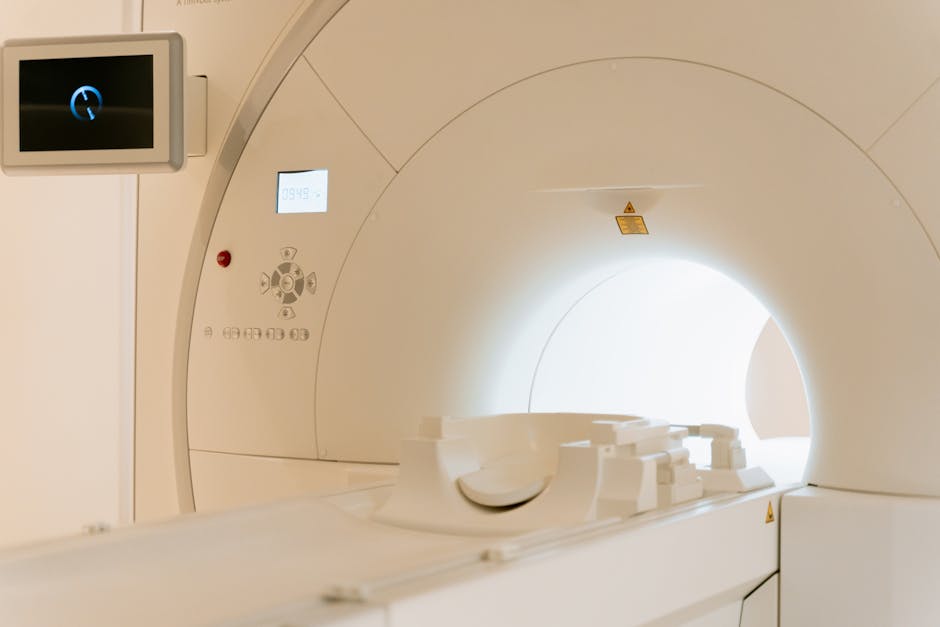
Magnetic Resonance Imaging, developed by Raymond Damadian, Paul Lauterbur, and Peter Mansfield in the 1970s, harnesses nuclear magnetic resonance principles to create detailed images of soft tissues without ionizing radiation[14]. The first human MRI scan was performed in 1977, revealing unprecedented soft tissue contrast and anatomical detail. MRI's revolutionary impact stems from its superior soft tissue contrast, multiplanar imaging capabilities, and absence of ionizing radiation. The technology transformed neurology and neurosurgery by enabling detailed brain and spinal cord imaging, facilitating early detection of multiple sclerosis, brain tumors, and stroke. In orthopedics, MRI revolutionized diagnosis of ligament tears, cartilage damage, and bone marrow abnormalities invisible on X-rays. MRI ranks #3 for its transformative effect on neurological diagnosis and its broad applicability across medical specialties. The technology's continued evolution, including functional MRI (fMRI) for brain activity mapping and diffusion tensor imaging for white matter tract visualization, has maintained its position at the forefront of medical imaging innovation. MRI's safety profile has made it the preferred imaging modality for many conditions, particularly in pediatric patients.#2: Computed Tomography (CT)
Computed Tomography, invented by Godfrey Hounsfield and Allan Cormack in the early 1970s, revolutionized medical imaging by using X-ray technology and computer processing to create detailed cross-sectional images of the human body[15]. The first CT scanner was installed at Atkinson Morley Hospital in London in 1971, initially designed for brain imaging. CT's breakthrough significance lies in its ability to differentiate soft tissues with similar X-ray attenuation properties, providing detailed visualization of internal organs previously invisible on conventional X-rays. The technology transformed emergency medicine by enabling rapid diagnosis of traumatic brain injury, stroke, and internal bleeding. In oncology, CT revolutionized cancer staging and treatment planning, while in surgery, it enabled precise preoperative planning and post-operative monitoring. CT ranks #2 because it fundamentally changed medical practice across all specialties and remains one of the most utilized imaging modalities worldwide. The technology's evolution to include contrast enhancement, 3D reconstruction, and ultra-fast acquisition has maintained its clinical relevance. Modern CT scanners can rapidly image the entire body in under a minute, making them indispensable for trauma assessment and emergency diagnosis.#1: X-ray Radiography
X-ray radiography, discovered accidentally by Wilhelm Röntgen in 1895, stands as the most groundbreaking medical imaging technology in history[16]. Röntgen's discovery of "X-rays" (named for their unknown nature) enabled the first non-invasive visualization of internal human anatomy, fundamentally transforming medical diagnosis and establishing the field of radiology. The revolutionary impact of X-ray imaging cannot be overstated. Within months of Röntgen's discovery, X-ray machines were being used in hospitals worldwide to diagnose fractures, locate foreign objects, and assess chest diseases. The technology enabled the development of orthopedic surgery as a precise medical specialty and transformed battlefield medicine during World War I by allowing rapid assessment of injuries. X-ray radiography ranks #1 because it created the entire field of medical imaging and remains the foundation upon which all subsequent imaging technologies were built. The basic principles of X-ray interaction with matter underpin CT scanning, fluoroscopy, and mammography. More than 125 years after its discovery, X-ray imaging remains the most widely used medical imaging technique globally, with millions of examinations performed annually worldwide. The technology's simplicity, speed, and cost-effectiveness ensure its continued relevance in modern medicine, from emergency departments in developed countries to healthcare facilities worldwide.While this ranking celebrates technological sophistication, a global health perspective might tell a different story. Simple, portable ultrasound devices deployed in rural clinics across Africa and Asia may have saved more lives collectively than sophisticated MRI machines concentrated in wealthy urban hospitals, suggesting that accessibility and affordability—not just technical innovation—should factor into any assessment of "groundbreaking" medical technology.
The emphasis on imaging-dependent diagnosis may have come at an unexpected cost to medical practice itself. Some medical educators argue that the rise of advanced imaging has led to a generation of physicians who rely too heavily on technology rather than developing strong clinical examination skills, potentially creating a form of "diagnostic dependency" that could prove problematic in resource-limited settings or during equipment failures.
Key Takeaways
- The most transformative medical imaging technologies combined technical innovation with broad clinical applicability, fundamentally changing medical practice across multiple specialties rather than serving niche applications.
- Earlier technologies that established new paradigms (like X-rays creating non-invasive internal visualization) rank higher than technically superior but more specialized modern innovations.
- Technologies that eliminated the need for invasive procedures or significantly reduced patient risk while maintaining or improving diagnostic accuracy had the greatest lasting impact on medical care.
- The evolution from anatomical to functional and molecular imaging represents a clear progression, with each generation building upon previous breakthroughs to provide increasingly detailed insights into human physiology and disease processes.
- Accessibility and widespread adoption proved as important as technical sophistication in determining a technology's ultimate impact on global healthcare delivery and patient outcomes.
References
- Fujimoto, James G. "Optical Coherence Tomography for Ultrahigh Resolution In Vivo Imaging." Nature Biotechnology, 2003.
- Swanson, Eric A. "The Development of Optical Coherence Tomography." Journal of Biomedical Optics, 2017.
- Mistretta, Charles A. "Digital Subtraction Angiography: An Application of Computerized Fluoroscopy." Medical Physics, 1981.
- Ring, E.F.J. "The Historical Development of Temperature Measurement in Medicine." Infrared Physics & Technology, 2007.
- Dawson, Peter. "A History of Contrast Agent Development." Academic Radiology, 1999.
- Evans, David H. "Doppler Ultrasound: Physics, Instrumentation and Signal Processing." John Wiley & Sons, 2000.
- Kevles, Bettyann Holtzmann. Naked to the Bone: Medical Imaging in the Twentieth Century. Rutgers University Press, 1997.
- Wagner, Henry N. "A Brief History of Nuclear Medicine." Journal of Nuclear Medicine, 1995.
- Seibert, J. Anthony. "Digital Radiography: Image Quality and Radiation Dose." Health Physics, 2004.
- Dotter, Charles T. "Transluminally-placed Coilspring Endarterial Tube Grafts." Radiology, 1969.
- Udupa, Jayaram K. "3D Imaging in Medicine." CRC Press, 2000.
- Ter-Pogossian, Michel M. "A Positron-Emission Transaxial Tomograph for Nuclear Imaging (PETT)." Radiology, 1975.
- Donald, Ian. "Investigation of Abdominal Masses by Pulsed Ultrasound." The Lancet, 1958.
- Damadian, Raymond. "Tumor Detection by Nuclear Magnetic Resonance." Science, 1971.
- Hounsfield, Godfrey N. "Computerized Transverse Axial Scanning (Tomography)." British Journal of Radiology, 1973.
- Röntgen, Wilhelm Conrad. "On a New Kind of Rays." Würzburg Physical-Medical Society, 1895.