How to Build a Career in Archaeological Science: Skills, Salaries, and Breakthrough Opportunities
Archaeological science sits at the fascinating crossroads where ancient mysteries meet cutting-edge technology. As museums digitize collections and governments mandate cultural resource surveys, professionals who can wield both trowels and spectrometers are finding themselves in unprecedented demand.
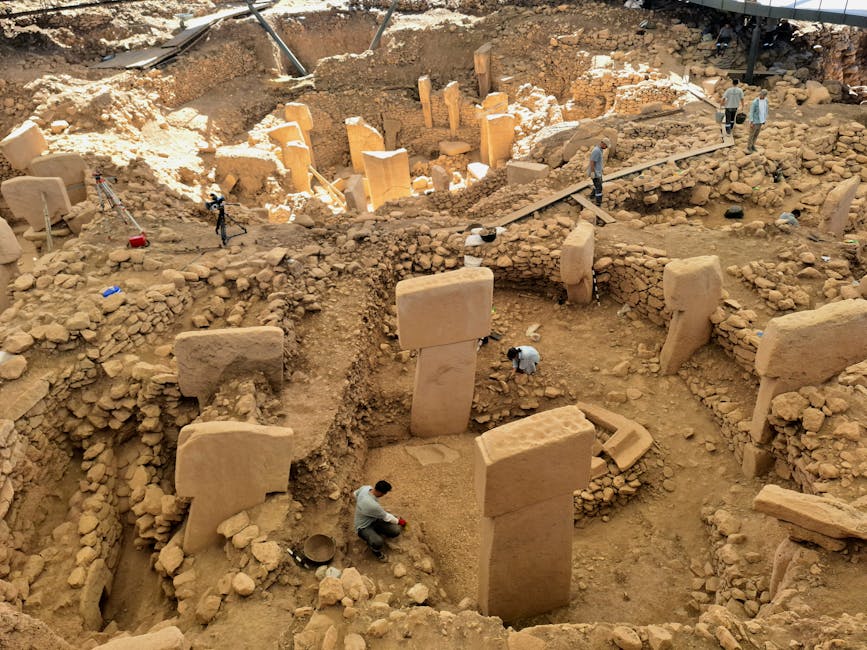
Archaeological science—also known as archaeometry—combines chemistry, physics, geology, and computer science with traditional archaeological research. From using X-ray fluorescence spectroscopy to trace ancient trade routes through ceramic analysis to employing ground-penetrating radar to map buried cities, archaeological scientists are the detectives of the ancient world, armed with 21st-century tools.
Understanding the Archaeological Science Landscape
The field divides into five primary specializations, each requiring distinct skills and offering different career paths: materials analysis (studying artifacts through chemistry and physics), environmental archaeology (reconstructing ancient climates and ecosystems), dating and chronology (establishing timelines through radiometric methods), remote sensing and geophysics (using non-invasive techniques to locate sites), and bioarchaeology (analyzing human and animal remains).
According to the U.S. Bureau of Labor Statistics, employment for archaeologists is projected to grow 6% from 2022 to 2032—faster than average for all occupations. Much of this growth stems from increased demand for archaeological scientists in cultural resource management and forensic applications. Professionals work across academia, government agencies, museums, and private consulting firms.
Essential Technical Skills and Certifications
Success requires mastery of both analytical instruments and data interpretation software. Core laboratory skills include X-ray fluorescence (XRF) spectroscopy, with specialized training available through manufacturers like Bruker and Thermo Fisher. Scanning electron microscopy (SEM) training requires extensive hands-on instruction at research institutions.
Geographic Information Systems (GIS) proficiency is essential across all specializations. The Environmental Systems Research Institute (Esri) offers widely recognized certifications, including the ArcGIS Desktop Professional certification. Remote sensing specialists should pursue training in commercial software or open-source platforms like QGIS.
Programming skills are increasingly valuable, with Python and R being the most requested languages. Various certification programs demonstrate competency in data analysis libraries and statistical modeling packages used in archaeological research.
Specialized dating techniques require additional training. Radiocarbon dating certification is available through institutions like the University of Arizona's AMS Laboratory, while thermoluminescence dating training is offered at facilities such as Oxford University's Research Laboratory for Archaeology and the History of Art.
Educational Pathways and Academic Requirements
Entry-level positions typically require a master's degree in archaeology, anthropology, or a related science field. Strong programs in archaeological science include the University of Bradford, UCLA's Cotsen Institute, and Arizona State University's School of Human Evolution and Social Change.
Doctoral programs are essential for research positions and typically take 5-7 years to complete. Competitive programs include Oxford's DPhil in Archaeology and Stanford's PhD in Anthropology, both offering funding opportunities for qualified students. Key coursework should include analytical chemistry, statistics, computer science, and field methods, with field school experience highly recommended.
Postdoctoral fellowships provide crucial transition experience. The National Science Foundation's SBE Postdoctoral Research Fellowships, Smithsonian Institution's Fellowship Program, and Marie Skłodowska-Curie Individual Fellowships in Europe offer competitive opportunities for recent graduates.
Salary Ranges and Compensation Analysis
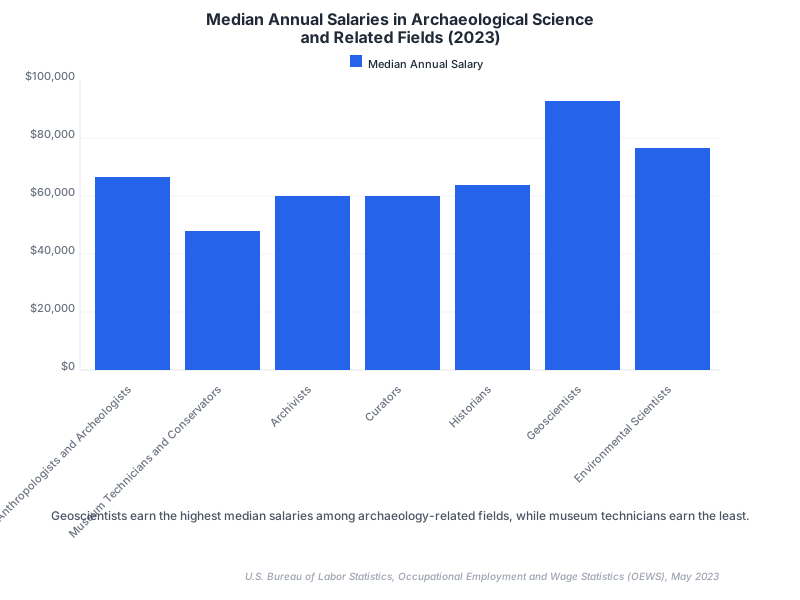
Compensation varies significantly by sector, experience, and location. Entry-level archaeological scientists typically earn $40,000-$60,000 annually, while experienced professionals command significantly higher salaries. Government positions through agencies like the National Park Service follow federal pay scales, advancing based on experience and responsibilities.
Academic positions show wide variation by institution type. Assistant professors at research universities earn competitive starting salaries, while full professors with established research programs earn considerably more. Liberal arts colleges may offer different compensation packages but often provide better work-life balance.
Private sector consulting often offers higher earning potential. Cultural resource management firms and specialized consulting companies pay premium salaries for experienced archaeological scientists, particularly those with project management experience. Forensic archaeological consultants can command high hourly rates, though work availability may be irregular. Museum positions generally offer competitive salaries with excellent benefits and job security.
International opportunities may provide additional compensation through organizations like UNESCO or private consulting firms operating in global markets.
Breaking Into the Field: Entry-Level Strategies
Securing your first position requires strategic networking and hands-on experience. The most effective entry point is through field schools and laboratory internships during undergraduate study. The Archaeological Institute of America maintains listings of field opportunities worldwide.
Laboratory experience is equally crucial. The Smithsonian's Museum Conservation Institute and Getty Conservation Institute offer competitive internship programs providing valuable training and professional connections.
Professional conferences provide essential networking opportunities. The Society for Archaeological Sciences annual meeting features job boards and networking sessions, while the Society for American Archaeology conference hosts one of North America's largest archaeology job fairs.
Building a portfolio of published research is essential for competitive applications. Target journals include Journal of Archaeological Science, Archaeometry, Antiquity, and American Antiquity. Co-authoring papers with established researchers during graduate study significantly improves job prospects.
Specialized Career Tracks and Advancement Paths
Materials analysis specialists focus on chemical and physical characterization of artifacts. Career progression typically follows: laboratory technician to analytical chemist to senior scientist to laboratory director. Key employers include major museums' research departments and specialized private firms.
Environmental archaeologists reconstruct ancient climates and human-environment interactions. The National Science Foundation funds numerous environmental archaeology projects annually. Career paths progress from field technician to research scientist to principal investigator. Specialized facilities like the University of Arizona's Laboratory of Tree-Ring Research offer premier training opportunities.
Remote sensing and geophysics specialists use non-invasive techniques to locate and map sites. The commercial market for archaeological geophysics continues growing, with specialized firms seeking field operators and senior geophysicists. Government positions with the National Park Service and Bureau of Land Management offer stability and benefits.
Bioarchaeologists analyze human and animal remains to understand past populations. Federal agencies like the FBI and Armed Forces DNA Identification Laboratory employ forensic anthropologists, while academic positions remain highly competitive given the field's specialized nature.
Digital archaeology and 3D modeling represent emerging specializations. Professionals skilled in photogrammetry software and 3D printing technologies are increasingly in demand. Organizations focused on cultural heritage digitization and private firms specializing in historical documentation seek these skills.
Industry Connections and Professional Networks
Professional organizations provide crucial career resources and networking opportunities. The Society for Archaeological Sciences offers comprehensive resources including job postings, research grants, and annual conference presentations. The International Association for Archaeological Science focuses on global collaboration and provides travel support for international presentations.
Regional organizations like the European Association of Archaeologists and Australian Archaeological Association provide local networking and job opportunities tailored to specific geographic markets.
Government agencies represent major employers and often provide pathways to permanent positions. The National Park Service employs numerous archaeologists across the park system, with hiring typically occurring through standard federal employment processes. The Bureau of Land Management and state archaeological offices offer additional government opportunities.
Cultural resource management (CRM) firms provide significant private sector employment. Major companies typically hire entry-level field technicians and promote internally to project manager positions, offering clear advancement pathways for dedicated professionals.
Emerging Technologies and Future Opportunities
Artificial intelligence and machine learning are creating new career opportunities in archaeological science. Professionals skilled in relevant programming libraries and AI applications may command salary premiums above traditional positions. Specialized training programs in digital humanities and AI applications are becoming available at research institutions.
Drone technology and LiDAR are revolutionizing site discovery and mapping. The Federal Aviation Administration's Part 107 Remote Pilot Certificate is increasingly useful for archaeological survey work. Firms specializing in archaeological drone services seek pilots with archaeological training, while advanced data processing skills enhance earning potential.
Virtual and augmented reality applications in cultural heritage are creating new specializations. European Union funding programs have allocated substantial resources for digital cultural heritage projects, with specific support for VR/AR applications. Companies developing educational and cultural content seek archaeological consultants for historical accuracy and content development.
Blockchain technology for provenance tracking and digital heritage preservation represents an emerging niche. While still developing, professionals with both archaeological expertise and relevant technical knowledge may find consulting opportunities in authentication and digital preservation services.
While the article emphasizes high-tech laboratory skills and expensive certifications as pathways to career success, the fastest-growing segment of archaeological employment may actually be in community-based and Indigenous collaborative archaeology. These positions prioritize cultural competency, stakeholder engagement, and ethical frameworks over technical expertise—skills that can't be learned in expensive training courses but require years of relationship-building and cultural education.
The optimistic job growth projections could mask a troubling trend toward the "gig-ification" of archaeological science, where traditional full-time positions are being replaced by project-based contracts without benefits. Rather than indicating field expansion, this growth might reflect the same amount of work being divided among more precarious, lower-paid positions—making impressive salary figures increasingly unattainable for the majority of practitioners.
Key Takeaways
- Archaeological science offers diverse career paths with entry-level positions typically starting at $40,000-$60,000 and senior positions offering significantly higher compensation
- Essential skills include GIS certification, laboratory techniques, and programming languages commonly used in archaeological research
- Master's degree minimum required for most positions, with strong programs available at universities worldwide
- Government positions offer stability through agencies like the National Park Service, while private consulting may provide higher earning potential
- Emerging technologies like AI, drones, and VR are creating new specializations that may offer enhanced career opportunities
- Professional networking through organizations like the Society for Archaeological Sciences and major conferences is essential for career advancement