How Did Metalcore Break Through to the Mainstream? The Genre's Evolution from Underground to Arena Rock
The Underground Foundation: Hardcore Meets Metal
Metalcore's origins trace back to the late 1980s and early 1990s, when hardcore punk bands began incorporating metal riffs and production techniques. Bands like Integrity, Earth Crisis, and Converge are widely credited with laying the groundwork by combining hardcore's political intensity and DIY ethics with metal's musical complexity and power. The genre's early years were defined by regional scenes, particularly in Massachusetts, New York, and Southern California. Converge's 2001 album "Jane Doe" became a watershed moment, demonstrating how metalcore could achieve artistic sophistication while maintaining underground credibility. The album's influence extended far beyond hardcore circles, inspiring a generation of musicians to explore genre fusion possibilities. During this period, metalcore remained firmly underground, distributed through independent labels like Revelation Records, Victory Records, and Hydra Head Records. Shows typically occurred in basements, VFW halls, and small clubs, with bands earning modest livings from touring and merchandise sales. The scene's insularity fostered tight-knit communities and artistic experimentation, but also created a limitation that would need to be overcome for broader success.The Melodic Revolution: Making Metalcore Accessible
The first major shift toward mainstream viability came with the rise of melodic metalcore in the early 2000s. Bands like Killswitch Engage, As I Lay Dying, and All That Remains began incorporating clean vocals, memorable hooks, and more structured songwriting into the metalcore template. This development proved crucial—it gave radio programmers and casual listeners entry points into otherwise aggressive music. Killswitch Engage's 2004 album "The End of Heartache" exemplified this approach, featuring vocalist Howard Jones's soaring clean vocals alongside Adam Dutkiewicz's crushing riffs. The title track achieved significant radio play and became one of metalcore's early crossover successes, demonstrating that the genre could maintain its heaviness while embracing melody and accessibility. Simultaneously, Warped Tour provided metalcore bands with unprecedented exposure to mainstream audiences. The traveling festival, which peaked in the 2000s, became a crucial pipeline for introducing young fans to heavier music. Bands like Atreyu, Bleeding Through, and The Devil Wears Prada used Warped Tour performances to build national followings, often graduating from side stages to main stage slots within a few years. Improved production techniques also benefited the melodic metalcore wave. Producers brought greater clarity and punch to recordings, making them more palatable to mainstream radio while preserving their impact—an evolution essential as the genre moved toward larger venues and broader audiences.The Rise of "Scenecore" and Youth Culture Integration
Perhaps no development was more crucial to metalcore's mainstream breakthrough than its adoption by the broader "scene" subculture of the mid-2000s. Bands like Underoath, Hawthorne Heights, and From First to Last became focal points for a youth movement that combined metalcore music with distinctive fashion, social media presence, and lifestyle branding. This integration extended far beyond music. Metalcore bands began appearing in major fashion magazines, their members becoming style icons for teenagers across America. MySpace provided a direct connection between bands and fans, allowing groups like Bring Me The Horizon and Asking Alexandria to build massive followings before releasing major label albums. Social media democratized music discovery, enabling metalcore bands to bypass traditional gatekeepers. The "scenecore" phenomenon coincided with the rise of music video culture on MTV2 and later YouTube. Metalcore bands invested heavily in visually striking videos that combined the genre's intensity with accessible storytelling. Videos from Underoath and As I Lay Dying became popular on MTV2, introducing metalcore to audiences who might never have encountered it otherwise. Crucially, this period saw metalcore bands signing to major labels or major-distributed independents. Roadrunner Records, Atlantic Records, and Metal Blade Records began investing significant resources in metalcore acts, providing the marketing budgets and distribution networks necessary for mainstream success. This major label involvement signaled a turning point, as these companies positioned metalcore acts as potential arena headliners.The Festival Circuit and Arena Transition
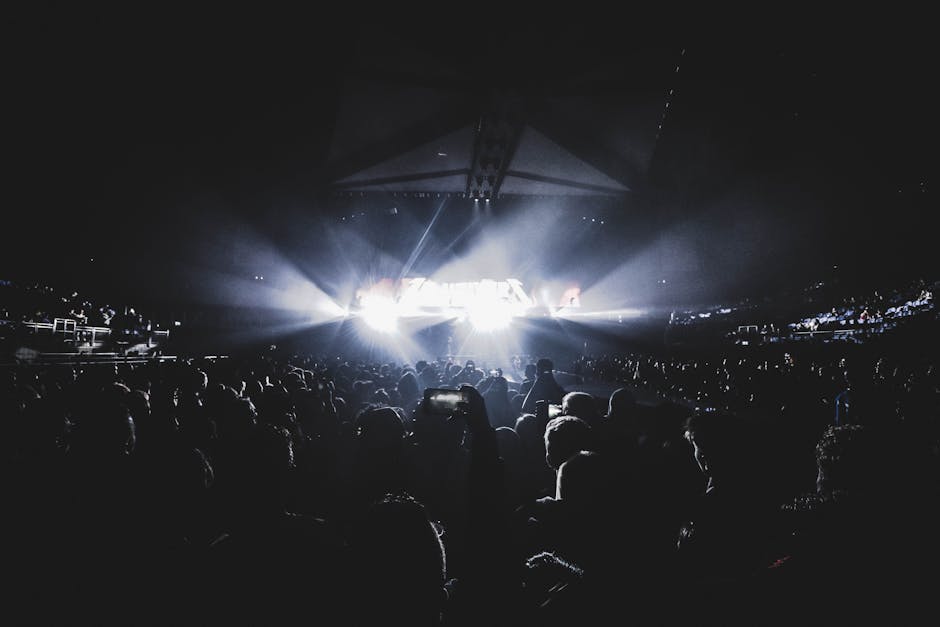
Metalcore's transition from clubs to arenas was facilitated by its integration into the festival circuit. Download Festival in the UK, Rock am Ring in Germany, and emerging American festivals like Carolina Rebellion provided metalcore bands with opportunities to play to crowds of 50,000 or more. These performances demonstrated the genre's arena-ready potential and helped establish metalcore acts as legitimate headliners. Festivals like Mayhem Fest and Rockstar Energy Drink Uproar Festival, which featured metalcore bands as headliners alongside established metal acts, proved the genre could draw significant audiences. Asking Alexandria's participation in major festival lineups marked a symbolic moment in metalcore's mainstream acceptance. Venue transitions were gradual but decisive. Bands that had played 500-capacity clubs in 2005 were selling out 5,000-seat theaters by 2010. A Day To Remember's progression from smaller venues to headlining larger amphitheaters exemplified this trajectory, demonstrating metalcore's scalability while maintaining its core fanbase. Metalcore-specific festivals like So What?! Music Festival and Welcome to Rockville further legitimized the genre's commercial viability. These events, drawing substantial annual attendance, proved metalcore could anchor major music events and generate significant revenue for promoters and venues.Digital Revolution and Streaming Success
The digital music revolution provided metalcore with unprecedented opportunities for growth and mainstream penetration. Unlike previous underground movements that relied on physical distribution networks, metalcore bands could instantly reach global audiences through iTunes, Spotify, and YouTube. Streaming platforms became central to metalcore's commercial success. Major metalcore acts have accumulated hundreds of millions of streams on Spotify, with some songs rivaling mainstream rock acts in total plays. These numbers demonstrate the genre's broad appeal across demographics. YouTube proved particularly crucial for metalcore's growth. The platform's algorithm favored engaging content, and metalcore's combination of musical intensity and visual spectacle proved highly effective at generating views and subscriber growth. Record label channels and independent metalcore channels became major forces in music discovery, introducing millions of viewers to the genre. Playlist culture on streaming platforms also benefited metalcore. Spotify playlists and similar curated collections regularly featured metalcore songs alongside mainstream metal acts, exposing the genre to listeners who might not have sought it out independently. This algorithmic discovery mechanism proved more effective than traditional radio promotion for reaching younger audiences. Digital sales data from the 2010s shows metalcore's commercial impact. Several metalcore albums achieved significant chart positions during this period, with some reaching top 10 placements on major charts—chart positions unthinkable for metalcore acts a decade earlier.Evolution and Mainstream Adaptation
Metalcore's mainstream success required significant musical evolution. Successful bands learned to balance their heavy foundations with increasingly accessible elements. Bring Me The Horizon's progression from their earlier work to later albums exemplifies this adaptation, incorporating more melodic and electronic elements over time. This evolution sparked controversy. Many longtime fans criticized bands for "selling out" or abandoning their roots, and the transformation from raw aggression to more radio-friendly approaches generated intense debate within the metalcore community. However, these changes proved commercially successful for the bands that pursued them. Electronic elements became a defining characteristic of mainstream metalcore. Bands incorporated synthesizers, drum machines, and electronic production techniques that made their music more palatable to mainstream audiences. This "electronicore" subgenre became particularly popular among younger fans and helped bridge the gap between metalcore and mainstream rock. Collaborations with mainstream artists further accelerated metalcore's mainstream acceptance, demonstrating the genre's versatility and appeal beyond traditional metal audiences.Industry Infrastructure and Professional Development
The professionalization of metalcore's industry infrastructure played a crucial role in its mainstream breakthrough. Specialized booking agencies, management companies, and promotion firms created the support network necessary for sustained commercial success. These professional firms provided metalcore acts with access to larger venues and festival slots previously reserved for established rock acts. Their involvement legitimized metalcore within the broader entertainment industry and facilitated the transition to arena-level performances. Specialized media outlets created dedicated coverage platforms that helped maintain metalcore's cultural relevance while facilitating mainstream crossover. These publications served as bridges between underground scenes and mainstream audiences, providing credibility and context for the genre's commercial success. Radio programming also evolved to accommodate metalcore. Stations like SiriusXM's Octane and local active rock stations began incorporating metalcore into their rotations, recognizing the genre's ability to attract younger demographics. This programming shift created more opportunities for exposure and growth across the industry.Cultural Impact and Mainstream Integration
Metalcore's mainstream success extended beyond music into broader cultural influence. The genre's aesthetic—combining metal's darkness with hardcore's authenticity—resonated with audiences seeking alternatives to mainstream pop and rock. This cultural appeal proved crucial for sustaining commercial success beyond initial novelty. Integration into video games, movies, and television programming demonstrated metalcore's mainstream cultural acceptance. Games like "Guitar Hero" and "Rock Band" featured metalcore tracks, introducing the genre to casual music fans. Movie soundtracks began incorporating metalcore songs for action sequences and dramatic moments, further expanding the genre's cultural footprint. Fashion and lifestyle brands recognized metalcore's commercial potential, leading to collaborations between bands and major companies. These partnerships demonstrated metalcore's value as a lifestyle brand beyond its musical content. The genre's influence on mainstream rock and pop became increasingly apparent as the 2010s progressed. Pop-punk bands began incorporating metalcore elements, while mainstream rock acts adopted breakdown structures and aggressive production techniques. This reverse influence validated metalcore's artistic contributions and secured its place in contemporary music culture.Global Expansion and International Success
Metalcore's mainstream breakthrough wasn't limited to the United States. The genre achieved significant international success, particularly in Europe, Australia, and Asia, providing additional revenue streams and cultural validation that supported its overall mainstream acceptance. European festivals became crucial platforms for metalcore's international growth. Major European metal festivals regularly featured metalcore headliners, exposing the genre to massive international audiences. The success of Australian bands demonstrated metalcore's global appeal and artistic diversity. Metalcore's rise in Asia, particularly Japan and South Korea, revealed the genre's cross-cultural adaptability. Bands from these regions achieved international recognition, while the integration of metalcore elements into regional rock and pop music expanded the genre's influence across musical boundaries. Touring economics supported metalcore's international expansion. The genre's passionate fanbase proved willing to travel and spend money on concerts, merchandise, and related experiences. This economic reality made international touring profitable for metalcore acts, creating sustainable business models that supported continued growth and artistic development.Conclusion
Metalcore's journey from underground fusion experiment to mainstream arena rock represents one of the most successful genre crossovers in modern music history. The transformation required musical evolution, industry professionalization, cultural adaptation, and technological innovation, but ultimately demonstrated that extreme music could achieve commercial success without completely abandoning its artistic integrity. The genre's success opened doors for other underground movements and proved that passionate, dedicated fanbases could support sustainable mainstream careers. While debates continue about commercialization and artistic authenticity, metalcore's mainstream breakthrough created opportunities for countless musicians and expanded the boundaries of what constitutes commercially viable rock music. As metalcore continues to evolve and adapt to changing musical landscapes, its mainstream success serves as a blueprint for underground genres seeking broader acceptance. The lessons learned—the importance of accessibility without abandoning identity, the power of digital platforms, and the value of cultural integration—remain relevant for emerging musical movements seeking their own paths to mainstream success.What if metalcore's "mainstream breakthrough" actually represents the genre's artistic decline rather than evolution? The shift toward melodic accessibility and arena aesthetics may have been less about natural genre maturation and more about economic desperation—bands pursuing major label deals and streaming revenue because underground touring economics became unsustainable. From this perspective, the real story isn't triumph but compromise: metalcore succeeded commercially by abandoning the raw intensity and subcultural authenticity that made it distinctive in the first place.
The narrative of metalcore's mainstream success obscures a darker possibility: that major labels didn't discover metalcore's commercial potential so much as they engineered it through strategic investment and gatekeeping. Unsigned metalcore bands with comparable talent may have remained invisible not because they lacked artistic merit, but because they lacked the promotional machinery and playlist placement that label backing provided. The "breakthrough" might reveal less about the genre's universal appeal and more about how concentrated media power determines which artists reach mainstream audiences.
Key Takeaways
- Metalcore's mainstream breakthrough resulted from the strategic incorporation of melodic elements and clean vocals, making aggressive music more accessible to broader audiences
- Festival culture and social media platforms provided crucial exposure opportunities that bypassed traditional music industry gatekeepers
- Digital streaming platforms and YouTube enabled metalcore bands to build massive global audiences and achieve commercial success comparable to mainstream rock acts
- Professionalization of industry infrastructure, including specialized management and booking agencies, facilitated the transition from underground scenes to arena-level performances
- Cultural integration through fashion, lifestyle branding, and media appearances expanded metalcore's influence beyond music into broader mainstream culture
- International expansion and global festival success demonstrated metalcore's cross-cultural appeal and created sustainable business models for continued growth