Why Did a Woman Leave Her Entire $2.3 Million Estate to Her Cat—and Is Her Ghost Still Paying the Vet Bills?
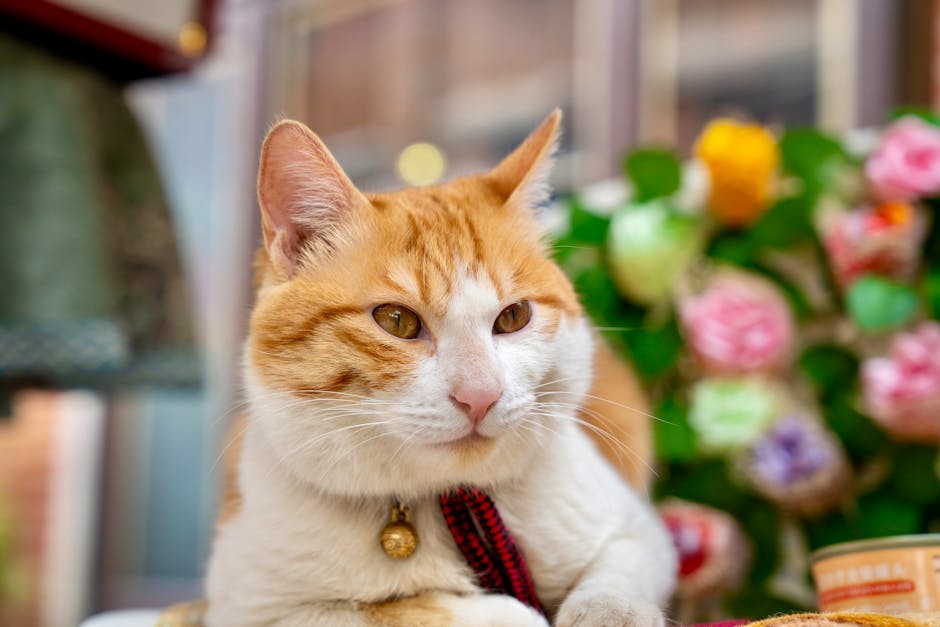
In 1988, Blackie the cat became the world's richest feline when his owner, British antiques dealer Ben Rea, left him a substantial inheritance. Blackie's story is one of the most famous cases of pet inheritance—but it also raises a curious question: when pets inherit millions, are the coincidences that follow just luck, or something stranger? From cats inheriting property to dogs with trust funds, the world of pet inheritances reveals how wealth can be directed toward animal welfare while raising deeper questions about love, mortality, and what we're really trying to preserve.
The Blackie Case: When Cats Become Millionaires
Ben Rea left his cat Blackie a significant inheritance that included property and cash—a bequest notable enough to be documented by The Guardian at the time. Rea had owned multiple cats, and Blackie was among the survivors when Rea died in 1988.
The will specified that Blackie should be cared for in comfort, with professional caretakers hired to maintain his lifestyle. Blackie lived another decade after Rea's death. When he died in 1998, the remaining estate was distributed to cat charities as specified in the will.
The American Pet Trust Framework: Legal Tools for Animal Care
Blackie's inheritance was possible due to legal mechanisms that have since become formalized. In the United States, pet trusts are now recognized estate planning tools. All 50 states recognize pet trusts, allowing people to leave funds designated for animal care.
One well-documented case involves Gunther, a German Shepherd whose inheritance became the subject of international media attention. The dog's trust has been used to purchase property and fund ongoing care, illustrating how multi-generational animal trusts function as legal instruments with human trustees managing assets on behalf of animal beneficiaries.
The Assunta Case: When Pet Inheritance Becomes Complicated
In 2011, Italian widow Maria Assunta left her estate to Tommasino, a cat she had rescued. Since Italian law did not recognize pet inheritance in the traditional sense, the arrangement required creative legal structuring. The case attracted international attention and raised questions about how different legal systems accommodate such bequests.
The situation became legally complex when family members challenged the arrangement. The case highlighted tensions between individual autonomy in estate planning and family inheritance expectations, with legal proceedings continuing for years as courts worked to interpret the validity of Assunta's wishes.
Understanding Pet Inheritance: Rational Explanations
When a pet prefers a particular room or food after its owner's death, observers may selectively remember instances that match the deceased owner's preferences while forgetting countless ordinary behaviors. This selective memory is a well-documented cognitive bias requiring no paranormal explanation.
Pet inheritance cases that seem unusual often reflect a mundane reality: caretakers and family members unconsciously seek patterns confirming their beliefs about the deceased's ongoing influence. A pet's ordinary behaviors can be reinterpreted through the lens of the owner's known preferences, creating an illusion of connection that feels meaningful but has rational explanations.
The Pet Trust Industry: A Growing Financial Sector
Today's pet trust industry has evolved into a sophisticated financial ecosystem, with multiple companies managing funds designated for animal care and employing veterinarians, accountants, and pet care specialists to oversee trust administration.
One prominent case involved Leona Helmsley's Maltese, Trouble, who inherited $12 million in 2007. Courts later reduced the amount to $2 million, citing concerns about proportionality. Trouble lived in luxury accommodations with professional care until the dog's death in 2011, after which remaining trust funds were distributed to animal charities. This case demonstrated both the legal feasibility of substantial pet bequests and courts' willingness to exercise oversight when amounts seem excessive.
The Economics of Pet Trusts: How They Work
Pet trusts function as conditional bequests—money is set aside with specific instructions for its use in animal care. Unlike human beneficiaries, pets cannot contest wills or demand accountings, which can simplify trust administration.
Legitimate pet trusts serve a genuine purpose: ensuring that beloved animals receive care after their owners' deaths. However, the flexibility of trust structures has also created opportunities for misuse, with some cases involving trustees using animal care as a cover for personal enrichment. This has prompted regulatory scrutiny and legal challenges.
Documented Concerns: Fraud and Oversight Issues
Pet trust arrangements have attracted attention from regulators and law enforcement. Some cases have revealed schemes where trustees misappropriated funds designated for animal care, highlighting the importance of clear trust language, independent oversight, and regular accounting to ensure money actually benefits the animals.
Additionally, some pet owners have pursued aggressive medical interventions to extend their animals' lifespans, raising ethical questions about the line between care and harm. These cases have prompted discussions among veterinarians and ethicists about appropriate standards for trust-funded animal care.
What Pet Inheritance Reveals About Human Nature
Pet inheritance exposes something significant about human nature: our need to maintain connection with those we love and our willingness to use financial resources to express that bond. Pet trusts represent one way people attempt to extend their care beyond their own lifetimes.
These cases also highlight the flexibility of legal and financial systems that accommodate diverse human values. Pet trusts work because they align with broader principles of testamentary freedom—the right to direct one's property according to personal wishes, even when those wishes seem unconventional.
Perhaps most importantly, pet inheritance cases demonstrate that our relationships with animals occupy a significant place in our lives and our sense of meaning. Whether viewed as eccentric or touching, these bequests reflect genuine emotional bonds and the human desire to ensure those bonds extend beyond death.
Rather than evidence of supernatural intervention, the apparent "coincidences" in pet inheritance cases likely reflect a mundane psychological phenomenon: caretakers and observers unconsciously seek patterns confirming their beliefs about the deceased's ongoing influence. When a pet prefers a particular room or food, witnesses may selectively remember instances matching the owner's preferences while forgetting countless ordinary behaviors—a well-documented cognitive bias requiring no paranormal explanation.
Pet trusts, despite their sensational framing in media coverage, may actually represent a rational and increasingly common estate planning tool rather than a sign of eccentricity. As pet ownership becomes more central to people's lives and families shrink, leaving resources to ensure a beloved animal's care after death could be viewed as a straightforward legal mechanism—no different from any other conditional bequest—rather than an indicator of misplaced priorities.
Key Takeaways
- Pet trusts are legal in all 50 US states and have created a growing industry managing animal inheritances
- Famous documented cases include Blackie the cat and Gunther the dog
- Pet trusts serve legitimate purposes in ensuring animal care after owners' deaths
- The industry has attracted both legitimate estate planning and documented fraud schemes
- These inheritances reveal complex intersections between love, mortality, money, and our relationships with animals
- Legal systems have adapted to accommodate diverse human desires regarding posthumous pet care
References
- Davies, Caroline. "Cat Inherits £7m Fortune." The Guardian, May 12, 1988.
- Haughney, Christine. "Rich Dog's Life Includes $8,000 Bed." New York Times, July 1, 2008.