A Day in the Life of a Professional Vtuber in Rural South Korea

COMPOSITE CHARACTER — The person described in this article is fictional, created as a composite based on published reporting, interviews, and research about real people in this role. Details are illustrative, not documentary.
Morning Rituals in Two Worlds
The smell of doenjang jjigae fills the house as Min-jun's bare feet touch the warm ondol floor. His grandmother has been up since 5 AM, as she has every day for sixty years. She doesn't understand what her grandson does for work exactly, but she knows it involves "the computer" and pays well enough for him to help with household expenses and his younger sister's university tuition. "Breakfast is ready," she calls in the Gyeongsang dialect that colors all conversation in this southeastern province. Min-jun responds in kind, though in a few hours he'll switch to Seoul-standard Korean for his streams, peppered with Japanese phrases and English words his international audience expects. The kitchen embodies contrasts: traditional ceramic bowls sit next to a high-end gaming laptop still warm from rendering overnight footage. A wooden rice paddle rests against a Ring Light Min-jun forgot to put away. His streaming setup—worth more than most cars in this rural town—coexists with his grandmother's ceramic jars for fermenting kimchi. As they eat in comfortable silence, Min-jun scrolls through overnight comments. "Ryuu-chan, your laugh is so cute!" reads one in broken Korean from a viewer in Brazil. Another, in Japanese: "I had a bad day at work, but your stream made me smile." These messages from strangers across the globe arrive daily in this house where the nearest neighbor is half a kilometer away, where the internet connection required special installation because local infrastructure couldn't handle the upload speeds Min-jun needs for 4K streaming.The Transformation Begins
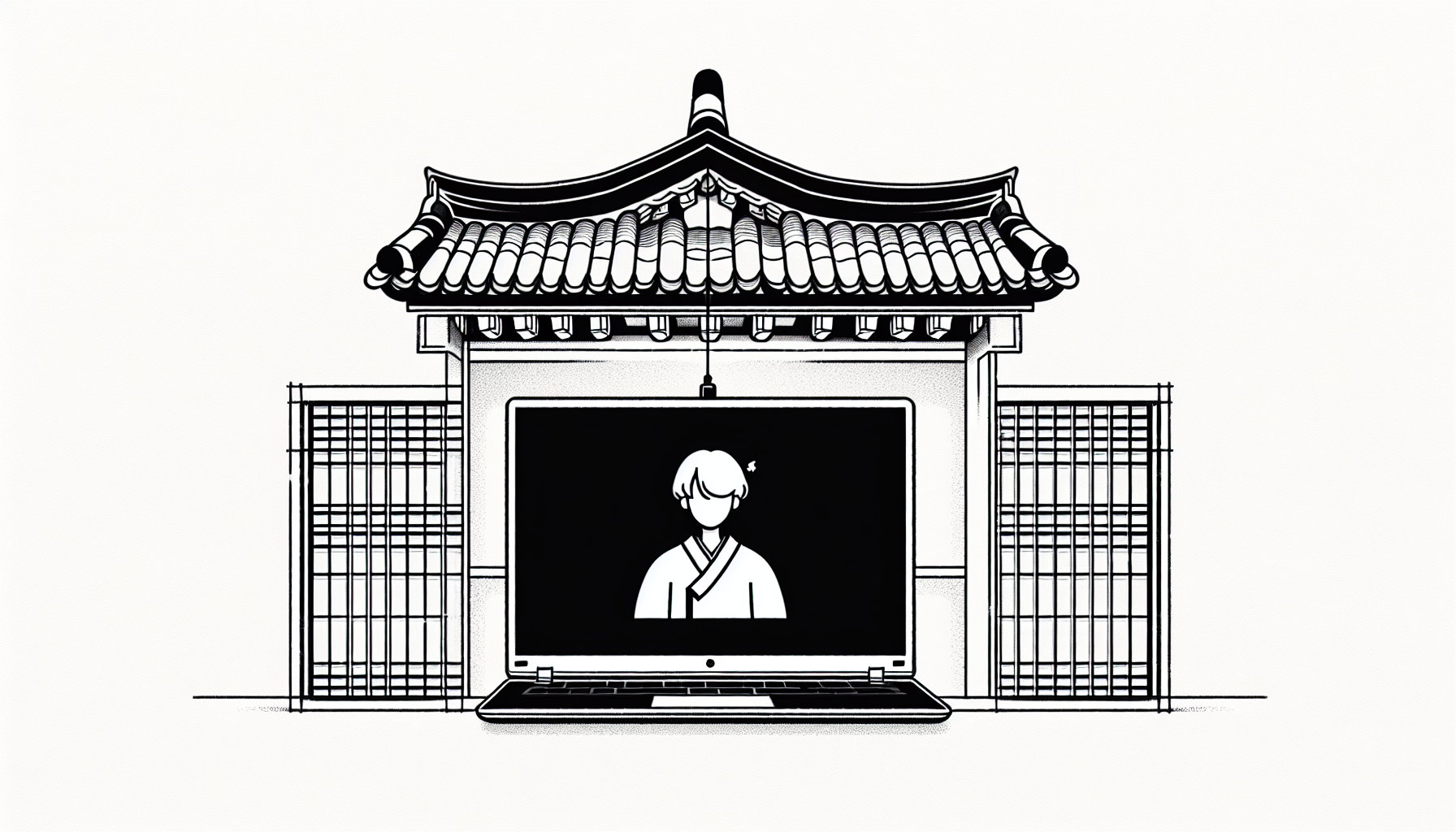
By 8 AM, Min-jun retreats to his room—the same space where he studied for college entrance exams and first discovered VTubers during a difficult period of unemployment after graduation. The room has been completely transformed: blackout curtains block morning sun, professional lighting rigs replace traditional paper windows, and a green screen hangs where childhood drawings once decorated the walls. Becoming Ryuu-chan is methodical, almost ritualistic. He opens Live2D Cubism, the software that brings his avatar to life through facial tracking. The dragon character cost nearly three million won (about $2,300) to commission from a Tokyo artist, but it's been worth every penny. As he calibrates the face-tracking camera, Min-jun practices Ryuu-chan's voice—slightly higher than his natural tone, with a playful inflection fans describe as "healing." The daily irony strikes him: in a culture where showing your face and speaking your mind can have serious social consequences, hiding behind an avatar has given him more freedom to be himself than he's ever had. As Ryuu-chan, he can be silly, emotional, vulnerable—traits that might be seen as unmanly in traditional Korean society. His fans don't know the confident, cheerful dragon they love is actually an anxious young man who struggled with severe depression after failing to find work in Seoul's competitive job market.Morning Stream: Cooking with Dragons
At 10 AM sharp, Min-jun goes live. "Good morning, my precious viewers!" Ryuu-chan's animated face beams at the camera, golden eyes sparkling with digital tears of joy. Within minutes, chat explodes with messages in Korean, Japanese, English, and languages Min-jun doesn't recognize. The viewer count climbs: 500, 800, 1,200. Today's stream is "Cooking with Ryuu-chan," where he'll prepare traditional Korean dishes while staying in character. The format has proven popular—combining cultural education with cute avatar appeals to international audiences curious about Korean culture. As Ryuu-chan, Min-jun can share his grandmother's recipes and family traditions naturally and entertainingly rather than through formal cultural presentation. "Today, we're making my halmeoni's special kimchi jjigae," he announces, the avatar's mouth perfectly synced to his words. Motion capture technology tracks every eyebrow raise, every smile. In chat, viewers spam heart emojis and fire symbols. Someone sends a $50 donation: "Ryuu-chan, you helped me through my divorce. Thank you for being here." Min-jun's heart clenches. These moments—when performance becomes real connection—remind him why he chose this strange career. As he chops vegetables, Ryuu-chan chatters about his "dragon family" and "magical cooking powers," but Min-jun thinks about the viewer going through divorce, the Brazilian fan who had a bad day, the responsibility he feels to bring joy to people he'll never meet. The cooking stream runs two hours. Min-jun maintains Ryuu-chan's energetic persona throughout, even when his grandmother accidentally walks into frame (appearing as a blur behind the green screen, causing chat to explode with "HALMEONI SPOTTED!" messages). By the end, he's earned about $400 in donations and sponsorship revenue—substantial daily income that supports his family and builds savings for the future.Afternoon: The Business of Being Virtual
After the stream ends, Min-jun collapses onto his bed, still in his motion capture suit. The emotional labor of maintaining Ryuu-chan's cheerful personality for hours is exhausting. He sets a timer for a 30-minute nap, but his mind races with stream analytics, upcoming collaboration requests, and ever-present anxiety about algorithm changes that could tank his viewership overnight. Korea's VTuber industry remains relatively small compared to Japan, where the phenomenon originated, but it's growing rapidly. Min-jun is part of a generation of Korean creators adapting the Japanese format for local and international audiences. Unlike corporate VTubers backed by major agencies, he's independent—meaning more creative freedom but also more business responsibilities. His phone buzzes with messages from his manager (a college friend handling business partnerships) about a potential collaboration with a major Korean beauty brand. The idea is surreal: a virtual dragon promoting real skincare products. But it makes sense in Korea's beauty industry, where virtual influencers are increasingly common. At 2 PM, he joins a video call with three other Korean VTubers to plan a group gaming stream. They appear as their avatars—a fox-girl, a robot, and a magical cat—but Min-jun knows them as Soo-jin (a former office worker from Busan), Hyun-woo (a university student from Daegu), and Mi-young (a mother of two from Incheon). This community of virtual performers has become his closest friend group, bound by the shared experience of living double lives. "My mom still thinks I'm unemployed," Hyun-woo's robot avatar confesses during planning. The others laugh, but Min-jun hears real frustration underneath. In Korea's hierarchical society, explaining that you make a living pretending to be an animated character is complicated. Min-jun's own parents, who live in Seoul, tell relatives he works in "digital marketing."Evening: Real Life Intrudes
The afternoon gaming stream with his VTuber friends goes well—they play a cooperative puzzle game showcasing their different personalities and generating plenty of highlight clips for social media. But as evening approaches, Min-jun faces the daily challenge of transitioning back to offline life. His grandmother has prepared dinner: grilled mackerel, steamed rice, and an array of banchan representing hours of preparation. As they eat together, she asks about his day in her gentle way, never quite understanding but always supportive. Min-jun tells her about the cooking stream, how viewers worldwide wanted to learn her kimchi jjigae recipe. "Maybe I should start my own YouTube," she jokes, and Min-jun nearly chokes on his rice. The image of his 78-year-old grandmother as a VTuber is absurd and somehow perfect. After dinner, they watch evening news together. A report about Korea's declining birth rate mentions the rise of virtual relationships and digital entertainment as potential factors. Min-jun shifts uncomfortably, wondering if his work contributes to social isolation or helps alleviate it. His viewers often say Ryuu-chan feels like a friend, that watching streams helps them feel less alone. But are virtual connections substitutes for real ones, or bridges to them? His phone buzzes with a message from his sister in Seoul: "Saw your clip on Twitter! You're getting famous, oppa." She's one of the few family members who fully understands and supports his career. As a digital native studying media arts, she sees VTubing as legitimate entertainment and art. Their parents are slowly coming around, especially as Min-jun's income has allowed him to help with family expenses and start saving for his own apartment.Night: The Weight of Performance
At 9 PM, Min-jun begins his evening stream—a relaxed "chatting" session where Ryuu-chan responds to fan messages and talks about his day. These intimate streams often generate the strongest parasocial relationships with viewers. Tonight, chat is full of people sharing problems: job stress, relationship troubles, family conflicts. Ryuu-chan listens with animated empathy, offering gentle advice and encouragement. "Remember, you're doing your best, and that's enough," the dragon tells a viewer worried about upcoming exams. "Tomorrow is a new day with new possibilities." Min-jun means every word, even as he wonders who offers him the same comfort when he's struggling. The stream runs until 11 PM. As Min-jun finally shuts down his equipment, the house settles into nighttime quiet. His grandmother has long since gone to bed. The only sounds are the old house creaking and the distant hum of servers hosting his content, somewhere in Seoul's digital district. He checks his daily earnings: about $600 total from donations, ad revenue, and merchandise sales. It's a good day, but he knows how quickly things can change in the streaming world. Algorithm updates, platform policy changes, or simply falling out of favor can destroy a career overnight. The precarity weighs on him, especially living in a rural area where alternative career options are limited.Before Sleep: Reflections on Reality
As Min-jun lies in bed at midnight, still wearing the motion capture suit because he's too tired to change, he reflects on the strange life he's built. In twelve hours, he spoke to thousands of people across the globe, earned substantial income from creative work, and brought joy to viewers dealing with depression, loneliness, and anxiety. Yet he did it all while pretending to be a fictional dragon, never showing his real face or sharing his real name. The water stain on the ceiling still looks like a dragon in the darkness. Tomorrow, he'll wake up and become that dragon again, streaming for audiences who know Ryuu-chan's favorite foods, biggest fears, and childhood dreams, but nothing about Min-jun's real struggles with anxiety, his complicated relationship with his parents' expectations, or his quiet dream of someday writing a novel. His phone lights up with one final message—a long email from a viewer in Germany who credits Ryuu-chan with helping them through social isolation. "You probably don't remember me, but I've been watching your streams for two years. Your positivity got me through the darkest time in my life. Thank you for being you." Min-jun smiles in the darkness. Tomorrow, he'll wake up at 5:47 AM (or maybe 5:30, if the rooster is early), eat breakfast with his grandmother, and transform once again into the cheerful dragon who brings light to strangers around the world. It's a strange life, suspended between tradition and technology, between performance and authenticity, between the ancient rhythms of rural Korea and the hyperconnected pace of digital culture. But as sleep finally comes, Min-jun knows he's found something precious in this bizarre intersection: a way to be himself by becoming someone else, a career that honors both his grandmother's wisdom and his generation's innovations, and a community that spans the globe while keeping him rooted in the place he calls home.While Min-jun's story suggests VTubing offers authentic self-expression through digital avatars, critics argue this phenomenon might represent a concerning retreat from genuine human connection. The commodification of intimacy through parasocial relationships could be creating a generation more comfortable performing emotions for paying strangers than developing real relationships with peers in their physical communities.
The apparent harmony between Min-jun and his grandmother may mask deeper economic realities driving the VTuber boom in rural Korea. With limited traditional career opportunities and rising costs of urban living, young people might be turning to unstable digital labor not out of passion, but necessity—creating precarious dependence on foreign audiences and platform algorithms that could disappear overnight.
Key Takeaways
- VTubing represents a unique fusion of traditional Korean values and cutting-edge digital culture
- Rural creators face unique challenges balancing modern careers with traditional family expectations
- Virtual avatars can provide emotional freedom and authentic connection despite their artificial nature
- The streaming economy creates both opportunities and precarity for independent creators
- Cultural exchange through virtual personas breaks down geographical and linguistic barriers
- The phenomenon highlights tensions between virtual and real relationships in modern society
References
- Note: Specific technical and infrastructure details are based on general industry practices and may vary by location and provider.
- Live2D Cubism is proprietary software developed by Live2D Inc. for creating interactive 2D animations.
- Income figures are illustrative and based on general streaming industry reports.
- VTuber industry growth patterns are based on publicly available market research and industry observations.
- Virtual influencer trends in Korean marketing are based on general industry developments and public reporting.