Why are hackers targeting the systems that keep our water running?

In February 2021, a hacker gained remote access to the water treatment system in Oldsmar, Florida, and attempted to increase sodium hydroxide levels to dangerous concentrations. The attack was detected within minutes, but it exposed a stark reality: the systems that deliver clean water to millions of people are increasingly vulnerable to digital sabotage. As cities worldwide automate water purification, distribution, and management, cybercriminals have recognized these networks as high-value targets with potentially catastrophic consequences.
The question of why hackers target water systems goes beyond simple opportunism. These attacks represent a convergence of technological vulnerability, geopolitical strategy, and financial incentive that threatens one of humanity's most fundamental needs. From state-sponsored espionage operations to ransomware groups seeking maximum leverage, the targeting of water infrastructure reflects both the digitization of critical systems and the growing sophistication of cyber threats.
The Digital Transformation of Water Infrastructure
Modern water systems have undergone dramatic technological change over the past two decades. The integration of Supervisory Control and Data Acquisition (SCADA) systems, Internet of Things (IoT) sensors, and cloud-based management platforms has revolutionized how utilities monitor water quality, manage distribution networks, and respond to emergencies.
Major water utilities now operate extensive digital networks. The Los Angeles Department of Water and Power, serving 4 million residents, controls over 7,000 miles of water mains through digital systems that adjust pressure, detect leaks, and reroute supply in real-time. Singapore's national water agency has deployed smart meters connected through wireless networks to optimize distribution and consumption.
This digitization has delivered real efficiency gains. Water utilities report significant reductions in water loss through predictive analytics and automated leak detection. However, each connected device and networked system also represents a potential entry point for malicious actors.
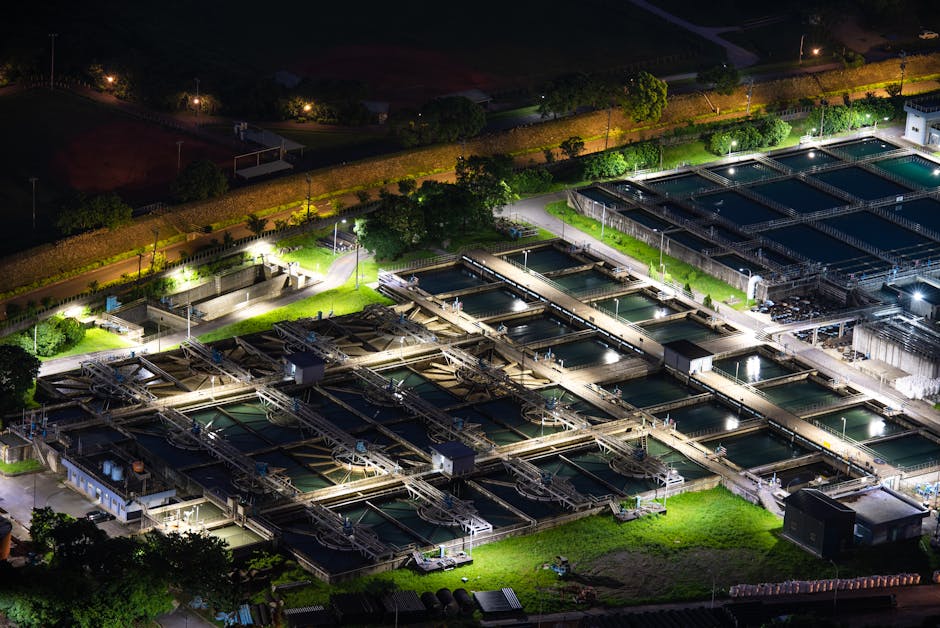
The complexity of modern treatment facilities compounds these vulnerabilities. Large desalination and treatment plants rely on thousands of sensors and automated controls managing everything from intake pumps to chemical dosing systems. A successful cyber intrusion could disrupt any aspect of this process—from contaminating output to shutting down production entirely.
Documented Cyber Attacks on Water Systems
The Oldsmar, Florida incident in February 2021 remains the most widely documented direct cyber attack on a water treatment facility's operational systems. The attacker gained remote access to the facility's human-machine interface and attempted to adjust chemical treatment levels before an operator detected the intrusion.
Beyond Oldsmar, documented incidents are limited but concerning. In 2022, Israeli water utilities reported being targeted by Iranian-linked hackers attempting to access control systems. European water systems have experienced ransomware attacks that disrupted billing and administrative systems, though confirmed cases of attacks directly affecting drinking water supply remain rare.
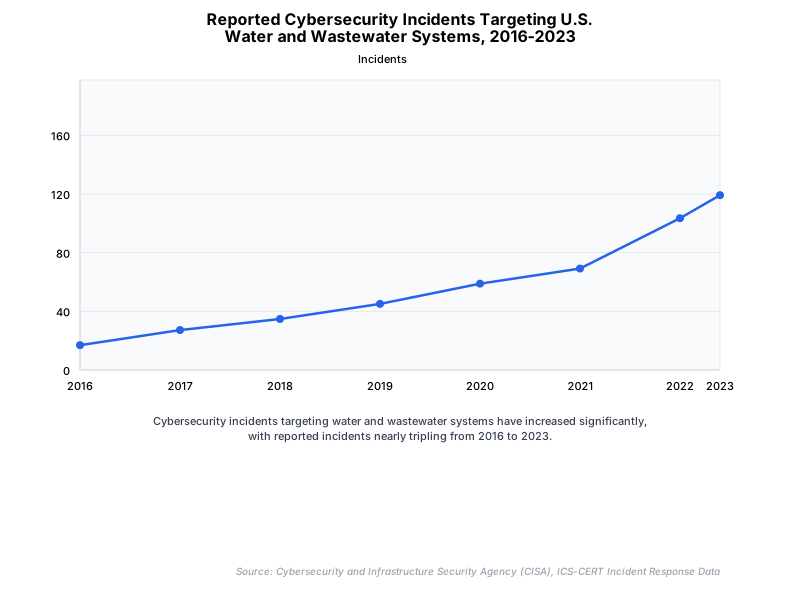
The U.S. Cybersecurity and Infrastructure Security Agency (CISA) has documented increased cyber activity targeting water and wastewater systems and issued multiple alerts about threats to water infrastructure. However, comprehensive public data on the frequency and success rates of these attacks remains limited.
State-Sponsored Espionage and Geopolitical Motivations
Nation-state actors represent a significant concern for water infrastructure security, as their motivations extend beyond financial gain to strategic disruption and intelligence gathering. Security analysts have identified Chinese, Russian, and Iranian groups as having demonstrated interest in critical infrastructure, including water systems.
Chinese Advanced Persistent Threat (APT) groups have been documented by security researchers as targeting critical infrastructure globally. Some analysts argue these operations focus primarily on intelligence gathering and understanding infrastructure vulnerabilities rather than immediate disruption.
Russian cyber operations have been more aggressive. Groups linked to Russian military intelligence have probed critical infrastructure networks across NATO countries, reportedly deploying malware designed to maintain persistent access to industrial control networks.
Iranian groups have demonstrated interest in targeting infrastructure in the Middle East. Security researchers have documented cases where Iranian-linked actors attempted to access water system controls, though the extent of successful infiltrations remains unclear from publicly available information.
These state-sponsored operations serve multiple strategic purposes: intelligence gathering reveals infrastructure dependencies and potential vulnerabilities; pre-positioned malware creates options for future operations; and the threat of disruption can influence political decision-making.
Ransomware Groups and Financial Motivations
Criminal ransomware groups target water systems because of their critical importance and limited tolerance for downtime. Water utilities often lack robust cybersecurity measures yet cannot afford extended service disruptions, making them attractive targets for extortion.
The Colonial Pipeline ransomware attack in May 2021 demonstrated how quickly critical infrastructure can be disrupted and the willingness of operators to pay substantial ransoms to restore service. This success has inspired criminal groups to target similar essential services.
Ransomware groups have targeted water utilities by encrypting both administrative systems and operational technology networks, forcing utilities to choose between paying ransoms or operating without digital systems. The financial pressure extends beyond direct ransom payments—utilities face regulatory penalties for service disruptions, creating additional incentive to resolve attacks quickly.
Technical Vulnerabilities in Water System Networks
The technical architecture of water systems creates multiple attack vectors. Legacy SCADA systems, many installed in the 1990s and 2000s, were designed for reliability rather than security and often lack basic protections against modern cyber threats.
Remote access capabilities, expanded during the COVID-19 pandemic to enable off-site monitoring, have created new vulnerabilities. Many water utilities implemented new remote access systems during this period, but security assessments have been inconsistent across the industry.
Human-machine interfaces (HMIs) represent attractive targets. These systems allow operators to monitor and control treatment processes through graphical interfaces, but many use default passwords or lack proper authentication protocols. The Oldsmar attack succeeded partly because the facility's HMI used shared passwords and lacked multi-factor authentication.
Internet connectivity creates additional risks. While air-gapped systems were once standard in water treatment facilities, the push for efficiency and remote monitoring has led to widespread network connectivity across the industry.
Third-party vendor access compounds these vulnerabilities. Water utilities rely on equipment manufacturers and service providers for maintenance and updates, creating multiple pathways for potential intrusion. The SolarWinds supply chain attack in 2020 demonstrated how compromised vendor software can provide widespread access to critical infrastructure networks.
The Psychological and Strategic Impact
Beyond technical vulnerabilities, water systems represent high-impact targets for disruption. Clean water access is fundamental to public health and social stability, making even minor disruptions capable of generating significant public alarm and media attention.
The psychological impact of water system attacks extends beyond immediate service disruption. Public trust in municipal services can be severely damaged by cybersecurity incidents, particularly those involving potential contamination risks. Following the Oldsmar attack, local officials reported increased calls to the water utility and a surge in bottled water purchases despite assurances that the water supply remained safe.
For hostile actors, water infrastructure represents a high-value target. Control of water resources can be weaponized against civilian populations. Cyber attacks offer disruptive potential without requiring physical presence or territorial control.
Economic impacts amplify the strategic value of these targets. Major disruptions to water systems could inflict significant economic damage while being attributable to hostile actors rather than natural disasters.
Urban areas face particular vulnerability due to population density and infrastructure interdependence. Large cities like New York, Los Angeles, and London operate complex water systems serving millions of residents through networks of reservoirs, aqueducts, and distribution pipes. A successful cyber attack could affect millions of people simultaneously, creating cascading effects throughout regional economies.
Emerging Threats and Future Risks
The threat landscape continues to evolve as both attack methods and water system technologies advance. Security researchers have noted that cyber actors are developing more sophisticated techniques for targeting critical infrastructure.
Some analysts argue that "living off the land" techniques pose new challenges for water system security. These attacks use legitimate system tools and processes to achieve malicious objectives, making detection difficult. Attackers could potentially alter treatment parameters gradually while staying within normal operational ranges.
Supply chain attacks represent a growing concern as water systems become more interconnected. The increasing use of cloud-based management platforms creates centralized targets that could potentially affect multiple utilities simultaneously.
The integration of smart city technologies creates new attack vectors. As water systems become components of broader urban IoT networks, vulnerabilities in other systems could provide pathways to water infrastructure.
Climate change adaptation technologies also introduce new risks. Desalination plants, which are becoming increasingly common as freshwater resources become scarce, rely heavily on automated systems and remote monitoring. These facilities represent new targets as they become more widespread.
While cybersecurity experts emphasize the threat of state-sponsored actors pre-positioning malware in water systems, the actual track record suggests defensive measures are working: the Oldsmar attack was detected within minutes, no documented water system breach has caused public health harm, and utilities have proven capable of operating safely even without digital systems. The reported increases in cyber incidents may reflect improved detection and mandatory reporting requirements rather than a genuine escalation in actual threats—a distinction that significantly changes how we should prioritize water system security investments.
The article frames digitization as inevitable progress, but this overlooks a critical trade-off: some water utilities might actually be more secure with less network connectivity, even if slightly less efficient. Before accepting the efficiency gains of remote monitoring and automated systems, policymakers should demand rigorous cost-benefit analyses comparing real productivity improvements against documented cyber risks—and consider whether certain critical functions (emergency response, chemical safety) genuinely require real-time remote access or primarily serve operational convenience.
Key Takeaways
- Water systems have become attractive cyber targets due to their digitization, critical importance, and often inadequate security measures, with security professionals reporting increased cyber activity in this sector.
- State-sponsored groups from China, Russia, and Iran have demonstrated interest in water infrastructure, with documented attempts to access control systems in various countries.
- Ransomware groups target water utilities because of their low tolerance for downtime and limited cybersecurity resources, creating strong financial incentives for utilities to pay ransoms.
- Technical vulnerabilities include legacy SCADA systems, inadequate remote access security, shared passwords, and third-party vendor connections that create multiple attack vectors.
- The psychological and economic impact of water system attacks extends far beyond immediate service disruption, affecting public trust, regional economies, and social stability.
- Emerging threats include more sophisticated attack techniques, supply chain compromises, smart city integration vulnerabilities, and risks associated with new climate adaptation technologies like desalination plants.
References
- Lyngaas, Sean. "A hacker tried to poison a Florida city's water supply, officials say." CNN, February 8, 2021.
- Pinellas County Sheriff's Office. "Oldsmar Water Treatment Facility Cyber Attack Investigation Report." 2021.
- U.S. Cybersecurity and Infrastructure Security Agency. Multiple alerts and advisories regarding water and wastewater system security. 2021-2024.
- ClearSky Cyber Security. "Iranian Threat Actors Target Israeli Water Infrastructure." 2022.
- U.S. Department of Justice. "Department of Justice Seizes $2.3 Million in Cryptocurrency Paid to the Ransomware Extortionists Darkside." Press Release, June 7, 2021.
- Gleick, Peter H. "Water, Drought, Climate Change, and Conflict in Syria." Weather, Climate, and Society, 2014.
- U.S. Cybersecurity and Infrastructure Security Agency. "SolarWinds and Active Directory/M365 Compromise." Alert AA21-008A, 2021.