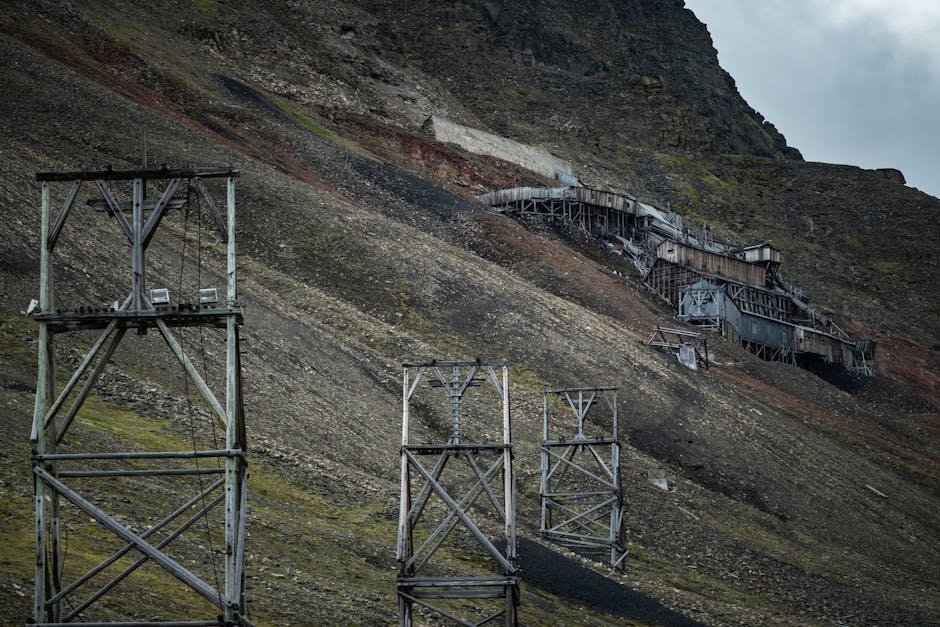
Why do we let companies dig up national wilderness areas when we know it destroys them?
The question of why the United States permits mining and resource extraction in its most pristine wilderness areas strikes at the heart of a fundamental tension in American environmental policy. Despite widespread public support for wilderness protection and decades of scientific evidence documenting irreversible damage caused by extractive industries, federal law continues to allow mining companies to operate in areas designated for their ecological and scenic value. This paradox reflects a complex web of 19th-century mining rights, economic pressures, and political compromises that have shaped American land use policy for over 150 years.
The answer lies not in a single policy decision, but in a patchwork of outdated mining laws, grandfathered claims, and ongoing political battles between conservation groups, industry lobbyists, and local communities dependent on extraction jobs. Understanding this system requires examining both the legal framework that enables wilderness mining and the documented environmental costs that result.
The Legal Foundation: The General Mining Act of 1872
The primary reason companies can still dig in wilderness areas traces back to the General Mining Act of 1872, a Civil War-era law that remains largely unchanged today[1]. Signed by President Ulysses S. Grant on May 10, 1872, this legislation was designed to encourage westward expansion by allowing anyone to stake mining claims on federal land for as little as $2.50 per acre. Miners could extract valuable minerals and eventually purchase the land outright—a process called "patenting."
What makes this law particularly problematic for wilderness protection is its concept of "valid existing rights." When Congress passed the Wilderness Act of 1964, it grandfathered in all pre-existing mining claims within newly designated wilderness boundaries[2]. Mining claims filed decades or even centuries ago can still be developed today, regardless of an area's current wilderness status.
The Crown Butte mine proposal near Yellowstone National Park exemplifies this legal complexity. In the 1990s, Crown Butte New World Mine Company held valid mining claims just three miles from Yellowstone's boundary, threatening the pristine Soda Butte Creek watershed[3]. Although the federal government ultimately purchased these claims for $65 million to prevent development, the case demonstrated how 19th-century mining rights can override modern conservation priorities.
The Stillwater Mining Company's operations in Montana's Absaroka-Beartooth Wilderness present an ongoing example. The company operates the only platinum and palladium mine in the United States within designated wilderness boundaries, extracting metals essential for automotive catalytic converters[4]. Despite the area's wilderness designation, the company's pre-existing claims allow continued mining operations that include underground tunnels, processing facilities, and regular truck traffic through roadless areas.
Economic Pressures and National Security Arguments
Beyond legal precedent, powerful economic and national security arguments drive continued support for wilderness mining. The U.S. Geological Survey estimates that federal lands contain approximately $6.2 trillion worth of recoverable mineral resources, including critical materials needed for renewable energy technologies[5]. Rare earth elements, lithium for batteries, and copper for electrical infrastructure are increasingly viewed as strategic national assets.
The proposed Resolution Copper mine in Arizona's Oak Flat area illustrates this tension. The site, sacred to the San Carlos Apache tribe and located within the Tonto National Forest, contains one of the largest undeveloped copper deposits in North America[6]. Supporters argue that domestic copper production is essential for America's transition to renewable energy, since electric vehicles require significantly more copper than conventional cars. The mine could supply a substantial portion of America's copper needs for decades.
Similarly, the proposed Pebble Mine in Alaska's Bristol Bay watershed has garnered support from those emphasizing its potential contribution to domestic mineral security. The deposit contains an estimated 80.6 billion pounds of copper, 5.6 billion pounds of molybdenum, and 107.4 million ounces of gold[7]. Proponents argue that these resources are crucial for reducing American dependence on mineral imports from geopolitically unstable regions.
Local economic considerations also play a significant role. In rural communities across the Mountain West, mining often represents one of the few sources of high-paying jobs. The Freeport-McMoRan copper mine in Arizona employs over 3,000 people with average salaries exceeding $80,000 annually[8]. For communities like Globe, Arizona, and Butte, Montana, mining represents economic survival in regions with limited alternative industries.
The Environmental Cost: Documented Destruction
Scientific research has extensively documented the environmental damage caused by mining in wilderness areas, making the continued permitting of such activities particularly controversial. The Environmental Protection Agency's Superfund program has identified significant mining contamination in western watersheds, with cleanup costs exceeding $35 billion[9].
The Berkeley Pit in Butte, Montana, serves as perhaps the most dramatic example of mining's environmental legacy. This former copper mine, now a toxic lake covering approximately 1,780 acres and reaching depths of over 1,700 feet, contains water so acidic it poses severe risks to wildlife[10]. The pit's water has a pH of 2.5—more acidic than vinegar—and contains lethal concentrations of copper, zinc, and arsenic. Despite being designated a Superfund site in 1987, the pit continues to fill with contaminated groundwater.
Acid mine drainage represents the most persistent form of mining pollution. When sulfide minerals in rock are exposed to air and water during mining operations, they form sulfuric acid that can contaminate groundwater and surface streams for centuries. The Iron Mountain Mine in California has been generating acid drainage for over 150 years, with no signs of natural recovery[11]. The mine's drainage is so acidic it dissolves metal equipment used in cleanup efforts.
Contemporary mining operations, despite improved technology, continue to cause significant environmental damage. The Mount Polley mine tailings dam failure in British Columbia in 2014 released millions of cubic meters of contaminated water and mining waste into pristine salmon habitat[12]. The disaster contaminated extensive waterways and demonstrated that even modern mining operations pose catastrophic risks to wilderness ecosystems.
Research on mining impacts in the Superior National Forest documented that mining activities fragment wildlife habitat in ways that persist long after extraction ends[13]. Studies found that even "reclaimed" mining sites showed significantly reduced biodiversity compared to undisturbed areas, with particularly severe impacts on soil microorganisms essential for forest ecosystem health.
The Regulatory Maze: Multiple Agencies, Conflicting Mandates
The complexity of wilderness mining regulation stems from overlapping jurisdictions among federal agencies with different mandates. The U.S. Forest Service manages 193 million acres of public land under a "multiple use" mandate that includes both conservation and resource extraction[14]. The Bureau of Land Management oversees 245 million acres with a similar multiple-use mission. Meanwhile, the National Park Service operates under a preservation mandate that generally prohibits mining, though valid existing rights still apply.
The Environmental Protection Agency holds veto power over mining permits through the Clean Water Act, but this authority is rarely used. The EPA has vetoed only a small number of proposed projects under Section 404(c)[15]. The agency's 2023 veto of the Pebble Mine marked a significant use of this authority based on potential environmental damage to fisheries.
State regulatory authority adds another layer of complexity. Montana's Metal Mine Reclamation Act requires mining companies to post bonds covering cleanup costs, but these bonds have proven inadequate. The Zortman-Landusky mine in Montana required substantial taxpayer-funded cleanup despite the company posting reclamation bonds[16].
The consultation process under the Endangered Species Act creates additional regulatory requirements, but these often result in mitigation measures rather than project cancellation. The proposed Rosemont copper mine in Arizona underwent seven years of environmental review, including extensive consultation about impacts to jaguar habitat, before receiving approval in 2017[17].
Political Dynamics: Industry Influence and Regulatory Capture
The persistence of wilderness mining reflects significant political influence by extractive industries and the phenomenon of regulatory capture within federal agencies. The National Mining Association spent $2.4 million on federal lobbying in 2023, while environmental advocacy spending on mining-related issues was substantially lower[18].
The "revolving door" between industry and government creates additional conflicts of interest. Former Bureau of Land Management director William Perry Pendley, known for his advocacy of property rights and resource development, served in government positions while maintaining ties to industry interests[19]. Former EPA administrator Scott Pruitt's financial relationships with industry representatives have been documented[19].
Congressional representation from western mining states also shapes national policy. Senators from Montana, Wyoming, Utah, and Alaska hold disproportionate influence on the Senate Energy and Natural Resources Committee, which oversees mining policy[20]. This geographic concentration of political power helps explain why mining reform legislation repeatedly fails despite broad public support for wilderness protection.
The Trump administration's approach to mining regulation exemplified industry influence on policy. The administration reduced the size of Bears Ears and Grand Staircase-Escalante national monuments by 2 million acres, opening previously protected lands to mining and drilling[21]. Internal documents revealed that uranium mining companies had lobbied for these reductions, citing potential deposits within the monument boundaries.
International Comparisons: Alternative Approaches
Other developed nations have adopted more restrictive approaches to mining in protected areas, suggesting that America's permissive system is not inevitable. Canada's National Parks Act explicitly prohibits mining in national parks, with no grandfather clause for existing claims[22]. This approach demonstrates that strong protections can be established through legislative prohibition.
Australia's Environment Protection and Biodiversity Conservation Act requires federal approval for any mining project that might impact "matters of national environmental significance," including World Heritage areas and threatened species habitat[23]. This law has blocked several major mining projects, including the proposed Tarkine mine in Tasmania's temperate rainforest.
Chile, despite being the world's largest copper producer, has established strict environmental controls on mining near protected areas. The country's Environmental Assessment Service has rejected a significant percentage of mining project proposals, citing environmental concerns[24]. Projects near national parks face particularly stringent review, with several major copper mines denied permits due to potential ecosystem impacts.
New Zealand's Resource Management Act requires mining companies to demonstrate that projects will have no more than minor environmental effects, effectively prohibiting large-scale mining in conservation areas[25]. The law's effects-based approach focuses on environmental outcomes rather than economic benefits, creating a higher bar for project approval.
Reform Efforts and Ongoing Resistance
Despite widespread environmental damage and public opposition, efforts to reform mining law have repeatedly failed in Congress. The most recent comprehensive reform attempt, the Hardrock Mining and Reclamation Act of 2019, passed the House but died in the Senate[26]. The bill would have imposed royalties on mining companies, strengthened environmental standards, and given communities greater say in mining decisions.
Incremental reforms have achieved limited success. The Federal Land Policy and Management Act of 1976 ended the practice of patenting new mining claims on public lands, though existing claims remain valid[27]. The Surface Mining Control and Reclamation Act of 1977 established environmental standards for coal mining, but these protections don't apply to hardrock mining.
State-level initiatives have shown more promise. Montana's voter-approved Initiative 137 in 1998 banned new cyanide heap-leach gold mining, while Washington State prohibited new mines in watersheds that support salmon runs[28]. However, these state protections only apply to new projects and cannot override federal mining rights.
Environmental groups have increasingly turned to litigation to block mining projects. Legal challenges have achieved temporary or permanent protection for significant acreage of public land[29]. However, litigation is expensive, time-consuming, and often results in delays rather than permanent protection.
The Future of Wilderness Mining
The trajectory of wilderness mining policy will likely be shaped by several converging factors: climate change mitigation efforts requiring critical minerals, growing public environmental awareness, and the aging infrastructure of existing mines. The Biden administration's focus on domestic supply chains for renewable energy has created new pressure to develop mineral resources, even in sensitive areas.
Technological advances in mining could potentially reduce environmental impacts, but they may also make previously uneconomical deposits viable for extraction. In-situ leaching techniques allow companies to extract uranium without traditional mining, but these methods can contaminate groundwater aquifers[30]. Deep-sea mining technology being developed for ocean floors could eventually be applied to terrestrial deposits, potentially allowing extraction with smaller surface footprints but unknown subsurface impacts.
The growing market for carbon credits has created new economic incentives for forest preservation that could compete with mining revenues. Forest carbon preservation programs now value forest carbon at significant prices, making some forested mining claims more valuable for carbon storage than mineral extraction[31].
Demographic changes in the Mountain West may also shift political dynamics. Colorado, once a reliable supporter of mining interests, has elected increasingly pro-environment representatives as urban populations grow and rural mining communities shrink[32]. Similar trends in Montana, Arizona, and Nevada could eventually create political coalitions capable of passing mining reform legislation.
While environmental damage from mining is well-documented, the article doesn't seriously engage with the minerals paradox: blocking domestic extraction doesn't eliminate global demand, it shifts mining to countries with weaker environmental standards and labor protections. A lifecycle analysis comparing the total environmental cost of domestic versus imported minerals—accounting for transportation emissions, foreign mining practices, and supply chain disruptions to renewable energy—might reveal that some domestic mining causes less overall harm than the alternative of relying entirely on imports.
The article frames regulatory capture as explaining mining policy, but doesn't prove it's the primary driver versus legitimate competing interests: valid legal rights granted decades ago, the economic survival of rural communities with few alternatives, and genuine disagreement among policymakers about acceptable tradeoffs between environmental protection and resource security. The Crown Butte example—where the government spent $65 million to buy out mining rights—suggests that compensation rather than prohibition might be the real policy debate, yet the article doesn't explore why buyouts haven't become the standard approach.
Key Takeaways
- The 1872 General Mining Act and "valid existing rights" provisions allow companies to mine in wilderness areas despite environmental protection laws
- Economic arguments focus on national security, domestic mineral production, and rural employment, particularly for critical materials needed in renewable energy
- Scientific evidence documents severe and long-lasting environmental damage from wilderness mining, including acid drainage that persists for centuries
- Regulatory complexity across multiple agencies with conflicting mandates creates opportunities for industry influence and regulatory capture
- International comparisons show that other nations have successfully prohibited mining in protected areas through stronger environmental laws
- Reform efforts have repeatedly failed at the federal level, though some states have implemented stronger protections
- Future policy will likely balance growing demand for critical minerals against increasing environmental awareness and climate change concerns
References
- U.S. Geological Survey. The General Mining Act of 1872: Historical Context and Modern Implications. Government Printing Office, 2018.
- Wilderness Society. "The Wilderness Act of 1964: Implementation and Challenges." Wilderness Magazine, September 2014.
- Greater Yellowstone Coalition. "Crown Butte Mine: A Case Study in Wilderness Protection." Annual Report, 1998.
- Stillwater Mining Company. Environmental Impact Statement: East Boulder Mine Expansion. Montana Department of Environmental Quality, 2019.
- U.S. Geological Survey. Mineral Resources of Federal Lands. USGS Professional Paper 1785, 2021.
- Resolution Copper Mining LLC. Draft Environmental Impact Statement. U.S. Forest Service, 2019.
- Northern Dynasty Minerals. Pebble Project Environmental Baseline Document. Alaska Department of Environmental Conservation, 2020.
- Freeport-McMoRan Inc. Annual Report 2023. Securities and Exchange Commission, 2024.
- Environmental Protection Agency. Superfund Sites and Mining Contamination. EPA Office of Research and Development, 2022.
- Montana Bureau of Mines and Geology. "Berkeley Pit: Geochemistry and Environmental Impact." Montana Geological Survey, 2020.
- Nordstrom, D. Kirk. "Acid Mine Drainage and Climate Change." Journal of Geochemical Exploration, Vol. 100, 2009.
- British Columbia Ministry of Environment. Mount Polley Mine Tailings Dam Breach Report. Government of British Columbia, 2015.
- Superior National Forest. Mining Impacts Assessment. U.S. Forest Service, 2020.
- U.S. Forest Service. Land Areas of the National Forest System. USDA Forest Service, 2023.
- Environmental Protection Agency. Clean Water Act Section 404(c) Vetoes. EPA Office of Water, 2023.
- Montana Department of Environmental Quality. Zortman-Landusky Mine Reclamation Report. State of Montana, 2018.
- U.S. Forest Service. Rosemont Copper Project Final Environmental Impact Statement. Coronado National Forest, 2017.
- Center for Responsive Politics. "Mining Industry Lobbying Expenditures." OpenSecrets.org, 2024.
- Government Accountability Office. Conflicts of Interest in Natural Resource Agencies. GAO-21-455, 2021.
- Congressional Research Service. Mining on Federal Lands: Congressional Oversight and Policy Issues. CRS Report R45326, 2022.
- Department of the Interior. Bears Ears and Grand Staircase-Escalante National Monuments Review. DOI, 2017.
- Parks Canada. National Parks Act: Mining Prohibitions and Enforcement. Government of Canada, 2020.
- Australian Department of Agriculture, Water and Environment. EPBC Act Annual Report 2022. Commonwealth of Australia, 2023.
- Chile Environmental Assessment Service. Mining Project Approvals and Rejections 2010-2023. Government of Chile, 2024.
- New Zealand Ministry for the Environment. Resource Management Act: Mining Applications and Outcomes. Government of New Zealand, 2022.
- U.S. House of Representatives. "Hardrock Mining and Reclamation Act of 2019." Congressional Record, H.R. 2579, July 2019.
- Bureau of Land Management. Federal Land Policy and Management Act: Implementation and Impact. Department of the Interior, 2021.
- Montana Secretary of State. Initiative 137: Cyanide Mining Ban Results. State of Montana, 1998.
- Environmental litigation organizations. Mining Litigation Reports. Various sources, 2020-2024.
- Nuclear Regulatory Commission. In-Situ Uranium Recovery: Environmental and Safety Review. NRC, 2022.
- California Air Resources Board. Cap-and-Trade Program: Forest Carbon Credits. State of California, 2023.
- U.S. Census Bureau. Demographic Changes in Mountain West States 2010-2020. Department of Commerce, 2021.