Why did hip hop become the dominant global youth culture?

In just five decades, hip hop has transformed from block parties in the South Bronx to the world's most influential youth culture. What began as street corner cyphers in 1970s New York now shapes fashion, language, politics, and artistic expression across continents. Hip hop dominates streaming platforms globally, influences runways from Paris to Tokyo, and inspires entrepreneurs from São Paulo to Seoul. But how did this particular cultural movement achieve such unprecedented global reach?
The Foundation: Authenticity and Grassroots Origins
Hip hop's journey to global dominance began with its authentic representation of urban youth experiences. Born in the economically devastated South Bronx of the 1970s, hip hop emerged as a creative response to social marginalization, poverty, and limited opportunities[1]. Unlike manufactured pop culture, hip hop was created by and for young people who had been largely ignored by mainstream media and entertainment industries.
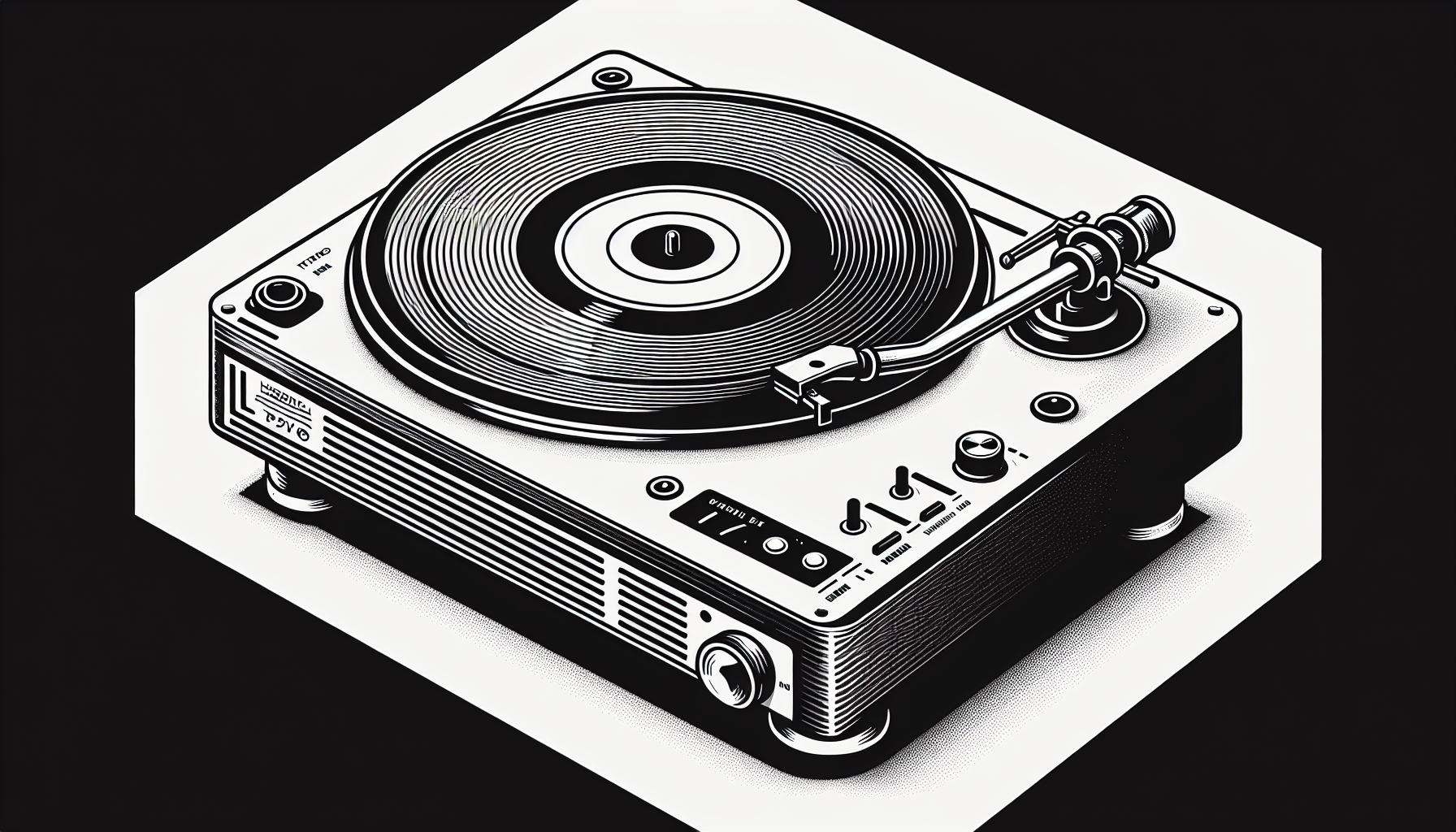
The four foundational elements—DJing, MCing (rapping), breaking (breakdancing), and graffiti art—provided accessible forms of creative expression that required minimal resources but maximum skill and creativity[2]. This grassroots authenticity resonated with marginalized youth worldwide who saw their own struggles reflected in hip hop's narratives of resilience and community building.
The culture's emphasis on competition through battles, cyphers, and showcases created a meritocratic system where talent could emerge from anywhere. This democratic aspect proved crucial to hip hop's global appeal, offering young people a pathway to recognition based on ability rather than traditional gatekeepers or institutional access.
Technological Revolution and Media Proliferation
Hip hop's rise coincided with technological revolutions that amplified its reach. The advent of affordable sampling technology in the 1980s allowed producers to create sophisticated beats using existing recordings, making music production more accessible[3]. This democratization meant talented individuals could create professional-quality music without expensive studio time or industry backing.
MTV's emergence in 1981 provided a visual platform that showcased hip hop's dynamic performance culture. Music videos became powerful vehicles for transmitting not just music, but fashion, dance moves, and lifestyle. The visual component proved essential for global transmission, as style and movement could transcend language barriers more easily than lyrics alone.
The internet revolution of the 1990s and 2000s further accelerated hip hop's global spread. Online platforms allowed artists to bypass traditional distribution channels, while social media enabled direct fan engagement and viral content sharing. Digital streaming platforms eventually made hip hop among the most-streamed genres worldwide by the late 2010s[8].
Economic Power and Industry Innovation
Hip hop's transformation into an economic powerhouse significantly contributed to its cultural dominance. Early entrepreneurs, from Russell Simmons to Sean "Diddy" Combs, demonstrated that hip hop could generate substantial wealth while maintaining cultural authenticity[4]. This economic success attracted major corporate investment and legitimized hip hop as a serious business enterprise.
The culture's expansion beyond music into fashion—with brands like FUBU, Sean John, and Rocawear—showed hip hop's commercial versatility. When luxury brands like Louis Vuitton and Gucci began collaborating with hip hop artists, it signaled the culture's mainstream acceptance and purchasing power influence.
Hip hop's entrepreneurial ethos particularly resonated with young people in developing economies. The culture's celebration of "hustling" and creating opportunities from limited resources provided an aspirational framework that transcended national boundaries. Stories like Jay-Z's transformation from street hustler to billionaire businessman became global inspiration narratives, demonstrating hip hop's potential for economic mobility.
Cultural Adaptability and Local Expression
Unlike many exported American cultural products, hip hop proved remarkably adaptable to local contexts while maintaining its core identity. As hip hop spread globally, local artists began incorporating indigenous languages, musical traditions, and social concerns into the hip hop framework. This created distinct regional variants—from French rap addressing immigration issues to Brazilian funk carioca reflecting favela experiences—while maintaining connection to the broader culture[5].
This adaptability allowed hip hop to serve as a vehicle for local social commentary and political expression worldwide. From Palestinian rappers addressing occupation to Chinese underground artists critiquing social inequality, hip hop provided a recognized format for youth dissent and social critique. The culture's association with speaking truth to power made it particularly appealing to young people in restrictive political environments.
The global hip hop community's embrace of diversity created a feedback loop that enriched the culture overall. American hip hop began incorporating global influences, from reggaeton rhythms to Afrobeats, creating an increasingly international sound that reflected hip hop's worldwide reach.
Digital Age Amplification and Social Media Dominance
The social media era supercharged hip hop's global influence. Platforms like Instagram, TikTok, and YouTube proved ideally suited to hip hop's visual culture, from showcasing lifestyle and fashion to viral dance challenges and freestyle videos. Hip hop artists became among the most followed social media personalities globally, with figures like Drake and Cardi B building massive online audiences that rival traditional media reach[9].
Streaming platforms' algorithm-driven discovery systems particularly favored hip hop's prolific output and diverse sub-genres. The genre's embrace of mixtapes, frequent releases, and collaborative culture aligned perfectly with digital consumption patterns. Young listeners worldwide could discover new artists instantly and participate in global conversations about hip hop culture in real-time.
The rise of short-form video content on TikTok created new pathways for hip hop influence, with dance challenges and sound bites introducing hip hop culture to even younger demographics globally. This platform particularly accelerated hip hop's influence in markets like India and Southeast Asia, where local creators began incorporating hip hop elements into traditional cultural content.
Fashion and Lifestyle Influence
Hip hop's impact on global fashion cannot be overstated. The culture transformed streetwear from niche urban clothing into a dominant fashion category that influences luxury brands and mainstream retail. Sneaker culture, significantly influenced by hip hop's endorsement and innovation, became a substantial global market worth billions of dollars[6].
Hip hop's fashion influence extended beyond clothing to lifestyle aspirations. The culture's celebration of luxury goods, from expensive jewelry to high-end cars, created new status symbols that resonated with young people globally. This aspirational aspect provided a blueprint for success that transcended traditional class and geographic boundaries.
The democratization of fashion through hip hop also challenged traditional fashion hierarchies. Hip hop artists and influencers could set global trends from their social media accounts, bypassing traditional fashion gatekeepers. This shift empowered young people worldwide to see themselves as potential trendsetters and cultural influencers.
Political and Social Commentary Platform
Hip hop's role as a platform for political and social commentary contributed significantly to its global youth appeal. From Grandmaster Flash and the Furious Five's "The Message" to Kendrick Lamar's "Alright," hip hop has consistently provided a voice for social justice concerns[7]. This tradition of speaking truth to power resonated with young people worldwide facing their own social and political challenges.
The culture's ability to address complex social issues through accessible, rhythmic storytelling made it an effective medium for political education and mobilization. Hip hop's influence on movements from Black Lives Matter in the United States to anti-establishment protests worldwide demonstrated the culture's power as a tool for social change.
International hip hop scenes often emerged in response to local political and social conditions, with the culture providing a framework for youth activism. Hip hop elements appeared in various global movements, from social protests in the Middle East to demonstrations in Hong Kong, where rap became one of several musical expressions of youth resistance and social commentary[10].
Rather than representing organic cultural dominance, hip hop's global reach may reflect the success of American corporate media machinery in packaging and exporting a commodified version of urban rebellion. The same streaming platforms and social media networks that spread hip hop are predominantly US-owned, raising questions about whether this represents authentic cultural appeal or digital colonialism disguised as grassroots movement.
Hip hop's apparent "dominance" among global youth may be overstated when considering significant regional resistance and competing cultural movements. In many parts of Asia, Africa, and Latin America, local music genres, K-pop, Afrobeats, or traditional cultural expressions maintain stronger youth followings than hip hop, suggesting that Western-centric metrics of cultural influence may not capture the full picture of global youth preferences.
Key Takeaways
- Hip hop's authentic grassroots origins and democratic, skill-based culture provided a template that resonated with marginalized youth globally
- Technological advances from sampling to streaming platforms accelerated hip hop's global distribution and accessibility
- The culture's economic success and entrepreneurial ethos attracted mainstream investment while inspiring global youth
- Hip hop's adaptability allowed for local expression while maintaining cultural coherence, creating a truly global yet locally relevant movement
- Social media and digital platforms amplified hip hop's influence, making it the dominant youth culture across diverse global markets
- Hip hop's expansion into fashion, lifestyle, and political commentary created multiple touchpoints for global youth engagement beyond just music
References
- Chang, Jeff. Can't Stop Won't Stop: A History of the Hip-Hop Generation. St. Martin's Press, 2005.
- Rose, Tricia. Black Noise: Rap Music and Black Culture in Contemporary America. Wesleyan University Press, 1994.
- Schloss, Joseph G. Making Beats: The Art of Sample-Based Hip-Hop. Wesleyan University Press, 2004.
- George, Nelson. Hip Hop America. Penguin Books, 2005.
- Mitchell, Tony. Global Noise: Rap and Hip-Hop Outside the USA. Wesleyan University Press, 2001.
- Garcia, Bobbito. Where'd You Get Those? New York City's Sneaker Culture: 1960-1987. Testify Books, 2003.
- Pough, Gwendolyn D. Check It While I Wreck It: Black Womanhood, Hip-Hop Culture, and the Public Sphere. Northeastern University Press, 2004.
- Nielsen Music. 2017 U.S. Music Year-End Report. Nielsen Holdings, 2018.
- Social Media Today. The Most Followed Musicians on Social Media. Industry Analytics Report, 2023.
- Kahf, Usama. "Hip Hop and Social Movements: A Global Perspective." Journal of Popular Music Studies, vol. 32, no. 3, 2020, pp. 45-62.