How did OnlyFans become worth billions when most creators barely make money?

OnlyFans presents one of the most striking paradoxes in modern digital economics: a platform valued at billions built on the labor of millions of creators, most of whom earn barely enough to justify their time investment. This disconnect reveals fundamental truths about how digital marketplaces extract value, concentrate wealth, and leverage network effects to build massive valuations while keeping the majority of content providers in economic precarity.
Understanding this phenomenon requires examining the mathematical realities of creator inequality, the strategic business decisions that prioritized platform growth over creator welfare, and the broader implications for digital labor in the 21st century.
The Mathematics of Creator Inequality
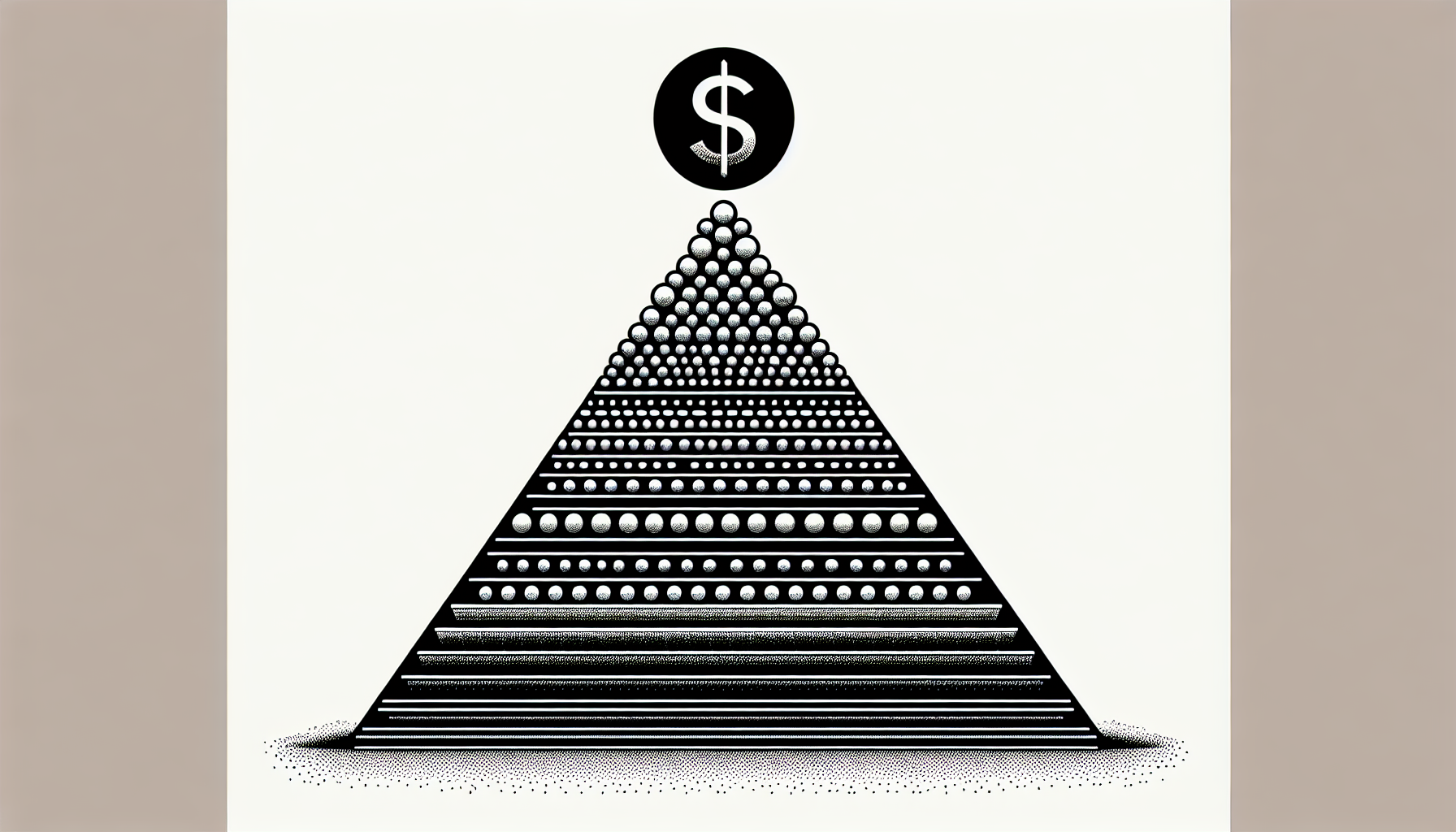
OnlyFans operates on what economists call a "power law distribution"—a tiny percentage of creators capture the vast majority of earnings while the remainder fight for scraps. While OnlyFans guards its earnings data closely, industry analysts estimate that creator income follows similar patterns to other digital platforms, with the top 1% of performers earning disproportionate shares of total platform revenue[1].
Industry observers estimate that median monthly earnings for OnlyFans creators hover in the low hundreds of dollars, though exact figures remain unverified. Available evidence suggests stark inequality: while top-tier creators can earn millions annually, a substantial portion likely earn less than $100 per month[2]. When factoring in time investment for content creation, marketing, and audience engagement, most creators likely earn well below minimum wage.
This distribution isn't accidental—it's engineered into the platform's architecture. OnlyFans' algorithm and discovery mechanisms naturally amplify already-successful creators, creating a "rich get richer" dynamic that concentrates audience attention among a small elite while leaving newcomers struggling for visibility.
Platform Economics and Value Extraction
OnlyFans' billion-dollar valuation stems not from creator success, but from its position as a digital toll booth that captures value from every transaction. The platform takes a 20% commission from all creator earnings—whether someone earns $10 or $10 million per month.
This commission structure creates mathematical advantages for the platform: as transaction volume increases, OnlyFans' revenue grows proportionally, regardless of how money distributes among creators. Industry estimates suggest the platform generates billions in gross revenue annually, translating to hundreds of millions in commission fees[3].
The platform's value proposition to investors isn't creator success rates—it's total addressable market size and user engagement metrics. OnlyFans has grown to millions of registered users and hundreds of thousands of content creators, creating massive network effects that drive valuation regardless of individual creator profitability.
OnlyFans also benefits from "platform stickiness." Creators who build audiences face significant switching costs if they move to competitors, risking their subscriber base and having to rebuild followings from scratch. This dynamic allows OnlyFans to maintain its commission structure and market position even as creators struggle financially.
The Attention Economy and Market Saturation
The fundamental challenge facing most OnlyFans creators lies in the finite nature of consumer attention and spending power. While the platform expanded the market for adult content consumption, paying subscribers haven't grown proportionally to the explosion in creator accounts.
Industry observers suggest that subscriber behavior patterns indicate limited spending across multiple creators, with most users maintaining modest monthly expenditures[4]. As the creator pool expanded dramatically, competition for subscriber attention intensified.
This saturation creates a zero-sum dynamic where new creator success often comes at existing creators' expense. The platform benefits from this competition through increased content volume and user engagement, but individual creators face increasingly difficult odds of building sustainable income streams.
The situation is further complicated by abundant free content on social media platforms, which has conditioned consumers to expect adult content without payment. OnlyFans creators must compete not only with each other but also justify subscription fees against free alternatives.
Strategic Business Decisions and Growth Prioritization
OnlyFans' path to billion-dollar valuation involved strategic decisions that prioritized platform growth over creator welfare. The company invested heavily in user acquisition, marketing campaigns, and celebrity endorsements to expand its user base, while creator support tools received comparatively little attention.
The platform's decision to maintain a flat 20% commission rate across all creator tiers reflects this prioritization. Unlike other platforms that offer reduced rates for high performers, OnlyFans consistently extracts the same percentage regardless of creator success levels. This approach maximizes platform revenue but provides no financial incentive structure to help creators grow.
Furthermore, OnlyFans has historically under-invested in creator education, marketing support, and audience development tools. While the platform provides basic analytics and messaging features, it offers minimal guidance on content strategy, audience building, or monetization optimization. This hands-off approach keeps operational costs low while placing the entire burden of business development on individual creators.
The company's focus on rapid expansion also led to minimal content moderation and creator verification processes in its early years, allowing quick scaling but creating an environment where established creators faced increasing competition from potentially inauthentic accounts.
Network Effects and Winner-Take-All Dynamics
OnlyFans' valuation reflects the power of network effects in digital platforms, where service value increases exponentially with user numbers. However, these same network effects contribute to success concentration among a small minority of creators.
The platform's recommendation algorithms and search functions naturally surface content from creators with existing engagement, creating feedback loops that amplify success for top performers while making discovery increasingly difficult for newcomers. This algorithmic bias reflects optimization for user retention and engagement rather than creator equity.
Social proof mechanisms—subscriber counts, tip amounts, and engagement metrics—further reinforce winner-take-all dynamics. Potential subscribers gravitate toward creators who already appear successful, creating psychological barriers for newcomers building their initial audience.
The platform's global reach creates scale advantages that benefit OnlyFans more than individual creators. While successful creators might build audiences of thousands, OnlyFans leverages the collective audience of all creators to negotiate payment processing deals, implement security measures, and develop platform features impossible for individual creators to achieve independently.
The Hidden Costs of Creator Participation
The disparity between OnlyFans' valuation and creator earnings becomes more pronounced when considering hidden participation costs. Creators must invest in equipment, lighting, editing software, and often professional photography or videography services to produce competitive content.
Marketing and promotion represent another significant expense rarely included in creator earnings calculations. Successful OnlyFans creators typically maintain active presences on multiple social media platforms, often paying for advertising, promotional content, and social media management tools to drive traffic to their accounts.
Time investment represents perhaps the largest hidden cost. Anecdotal reports from creator communities suggest that building a successful OnlyFans presence requires substantial time commitments for content creation, audience engagement, marketing, and administrative tasks[5]. When factoring in these commitments, even creators earning several thousand dollars monthly may find their effective hourly wages falling below minimum wage standards.
Additionally, creators bear the full burden of tax compliance, business registration, and financial management without platform support. Unlike traditional employment, OnlyFans provides no benefits, healthcare, or retirement contributions, leaving creators to navigate these responsibilities independently while the platform captures its commission from gross revenues.
Broader Implications for Digital Labor
The OnlyFans model represents a broader trend in digital platform economics where companies achieve massive valuations by extracting value from distributed labor forces while minimizing direct employment relationships and associated costs. This approach allows platforms to scale rapidly and achieve high profit margins, but concentrates wealth among platform owners and investors rather than the workers generating underlying value.
OnlyFans' success has inspired numerous competitors across various industries, from fitness instruction to educational content. However, these platforms typically replicate the same fundamental structure: high commission rates, minimal creator support, and business models optimized for platform growth rather than creator success.
This dynamic raises important questions about creator economy sustainability and wealth distribution in digital marketplaces. While platforms argue they provide valuable infrastructure and audience access, critics contend that commission rates and platform policies often extract disproportionate value relative to services provided.
The regulatory environment around platform labor continues evolving, with ongoing debates about creator classification, platform responsibilities, and fair compensation structures. However, current legal frameworks generally favor platform owners, allowing companies like OnlyFans to maintain business models that concentrate wealth while distributing risk and costs among individual creators.
The earnings disparity on OnlyFans may reflect natural market dynamics rather than platform exploitation—similar power law distributions exist across creative industries from music to publishing, where a small percentage of creators capture most revenue regardless of platform structure. OnlyFans actually offers creators an 80% revenue share compared to traditional adult entertainment companies that historically kept 80-90% of earnings, suggesting the platform may be more creator-friendly than conventional alternatives.
Many creators may be using OnlyFans as supplementary income or testing the waters rather than pursuing it as a primary career, which could explain lower median earnings without indicating platform failure. The focus on struggling creators might obscure success stories of those who've built sustainable businesses or leveraged the platform's infrastructure—including payment processing, legal compliance, and audience-building tools—that would cost significantly more to develop independently.
Key Takeaways
- OnlyFans' billion-dollar valuation stems from its position as a digital intermediary capturing 20% of all creator transactions, not from widespread creator success
- The platform operates on a power law distribution where a small percentage of creators earn the majority of revenue, leaving most creators competing for smaller shares
- Most creators likely earn below minimum wage when factoring in time investment, though exact earnings data remains unavailable
- Market saturation and finite consumer attention create increasingly difficult conditions for new creators to build sustainable income
- Platform business decisions prioritize growth and user acquisition over creator support tools and revenue optimization
- Network effects and algorithmic amplification create winner-take-all dynamics that concentrate success among existing top performers
- Hidden costs including equipment, marketing, and time investment further reduce effective creator earnings
- The OnlyFans model represents broader trends in digital platform economics that concentrate wealth among platform owners while distributing risks to individual creators
References
- Various industry analyses of creator economy platforms and power law distributions in digital marketplaces.
- Industry observer estimates based on creator community reports and platform behavior analysis.
- Financial industry estimates of OnlyFans revenue based on reported user growth and platform commission structure.
- Industry analysis of subscription platform user behavior patterns.
- Creator community surveys and anecdotal reports from OnlyFans creators regarding time investment requirements.